Fully Automatic Grinding Machine: An Analysis of Core Automation Equipment for Precision Manufacturing
Release time:2026-03-23 Visits:517
As a highly integrated precision machining equipment, the fully automatic grinding machine realizes the automated operation of the grinding process through a numerical control system or programmable logic controller, and is widely used in industrial fields with strict requirements for precision and efficiency. Its core value lies in significantly improving processing consistency, reducing manual intervention, and adapting to mass production needs.
I. Core Structure and Working Principle
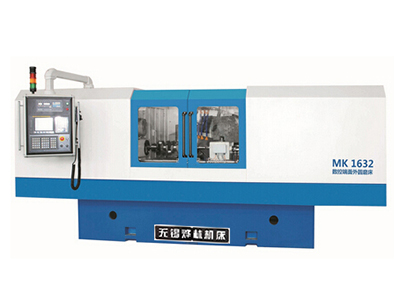
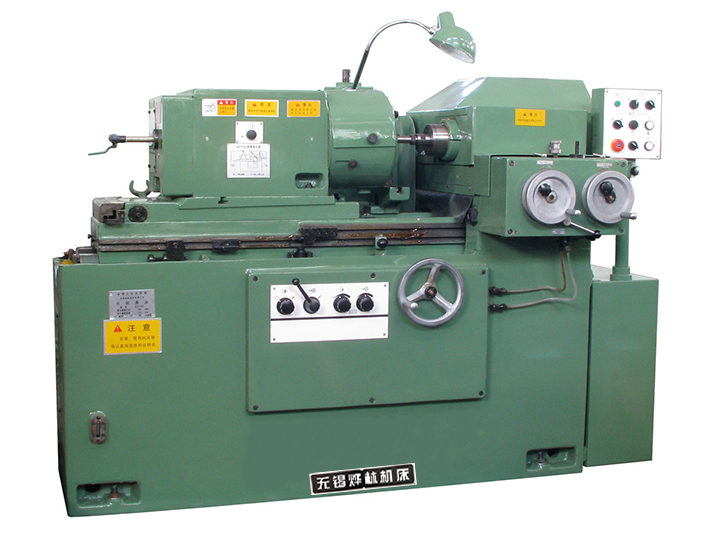
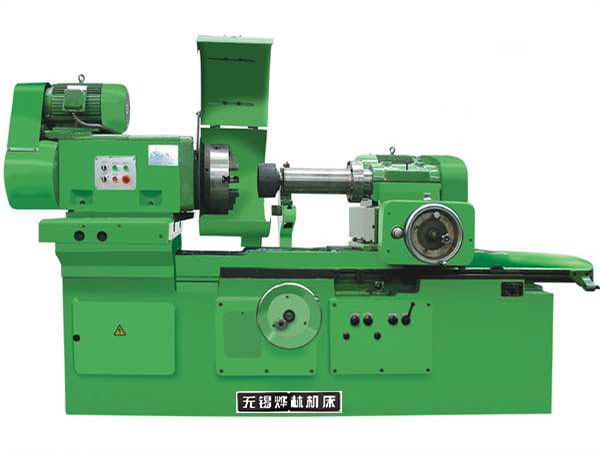
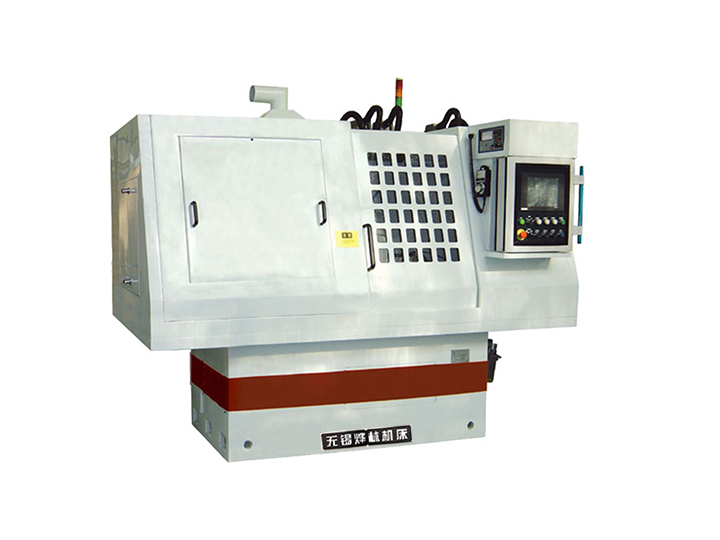
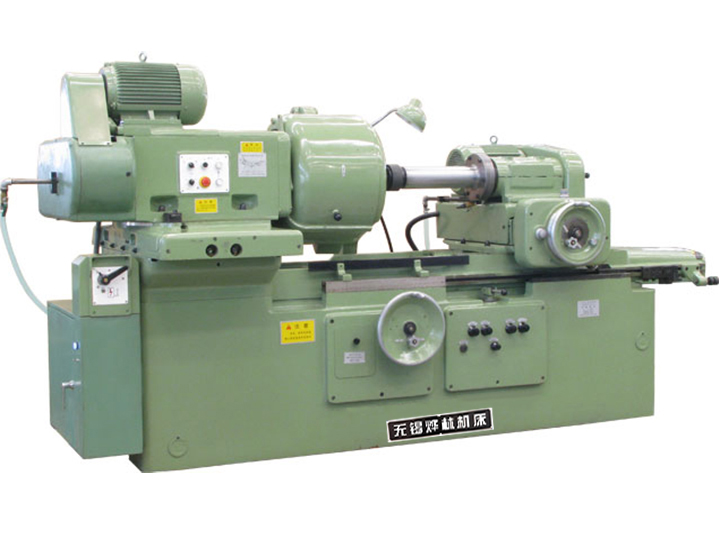
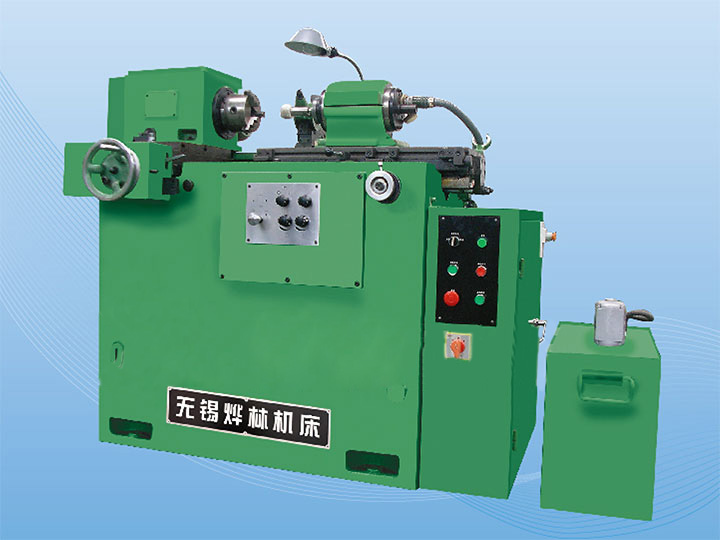
- Spindle System: Drives the grinding wheel to rotate at high speed to provide cutting force. Some models adopt ultra-precision bearings (such as P4 or ABEC-7 grade) to ensure stability.
- Grinding Head Device: Integrates the grinding tool and drive unit, directly participating in workpiece cutting.
- Worktable and Feed System: Supports and positions the workpiece, achieving micron-level or even nanometer-level feed control (minimum feed rate up to 0.1 microns) through closed-loop feedback devices such as grating rulers.
- Numerical Control System: Coordinates the motion axes, executes preset programs, and supports automatic砂轮 dressing, wear compensation, and multi-stage processing flows.
- Auxiliary Systems: Including cooling devices (to reduce grinding temperature), lubrication modules (to reduce wear of moving parts), and safety protection mechanisms.
During operation, the operator only needs to input key parameters (such as total grinding allowance, finish grinding allowance, and spark-out grinding times) to automatically complete the entire process from rough grinding, finish grinding to spark-out grinding.
II. Technical Advantages and Performance Characteristics
1. High-Precision Machining: The closed-loop control system and high-rigidity structure ensure nanometer-level precision, meeting the ultra-mirror surface processing requirements of semiconductor materials (such as SiC, GaN), with flatness up to 300:0.0008mm.
2. High-Efficiency Production: Automated functions (such as automatic砂轮 dressing and quick tool change) reduce downtime. Rotary grinding technology can save more than 30% of processing time and support continuous 72-hour operation.
3. Intelligent Management: The adaptive control system dynamically adjusts parameters, and IoT technology enables remote monitoring and fault diagnosis, reducing maintenance costs.
4. Compound Function Expansion: The worktable can be tilted (e.g., ±3°) to support conical part processing, compatible with plunge and transverse grinding, and adaptable to multi-step workpieces.
III. Application Fields and Selection Suggestions
Fully automatic grinding machines are widely used in:
- High-Precision Parts Manufacturing: Such as automotive engine components, drive shafts, molds, and aerospace blades.
- Hard and Brittle Material Processing: Precision grinding of superhard materials such as semiconductor wafers and ceramics.
- Mass Production Scenarios: Fields requiring high consistency such as the automotive industry and energy equipment.
Selection should comprehensively consider processing material characteristics, precision requirements, production volume, and budget. Different models vary in feed accuracy, spindle speed, and automation level. It is recommended to evaluate technical parameters and functional priorities based on actual needs.
IV. Technological Development Trends
Modern fully automatic grinding machines are evolving towards higher intelligence and integration:
- Adaptive Control: Optimizing grinding parameters through real-time data feedback.
- Energy Saving and Modular Design: Reducing energy consumption and improving maintenance convenience.
- Multi-Process Integration: Integrating milling, drilling, and other functions to expand processing flexibility.
Through the combination of automation and precision technology, fully automatic grinding machines continue to drive the manufacturing industry towards higher efficiency and precision.
 English