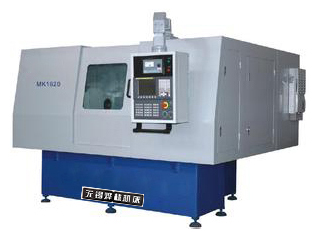
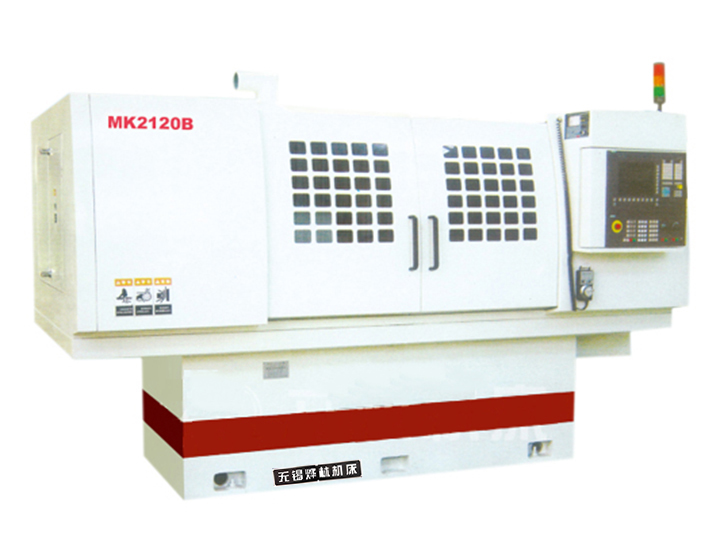
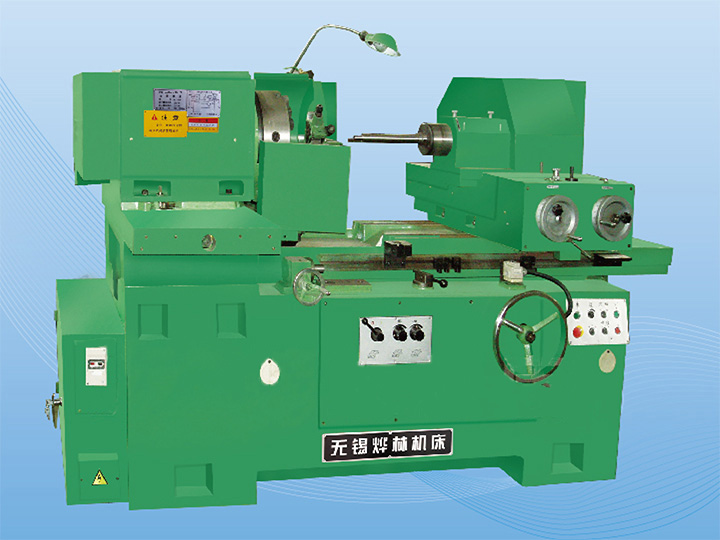
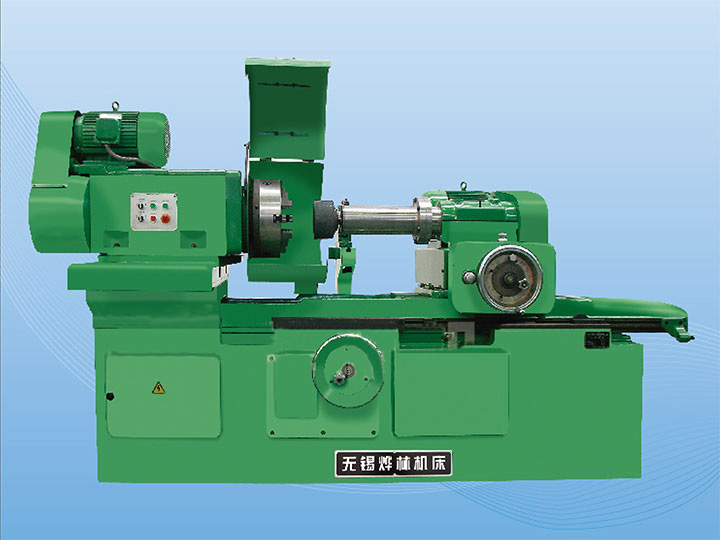
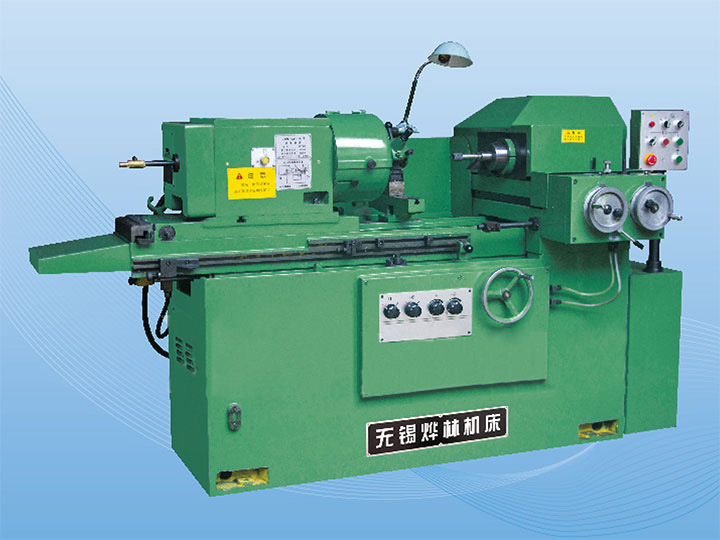
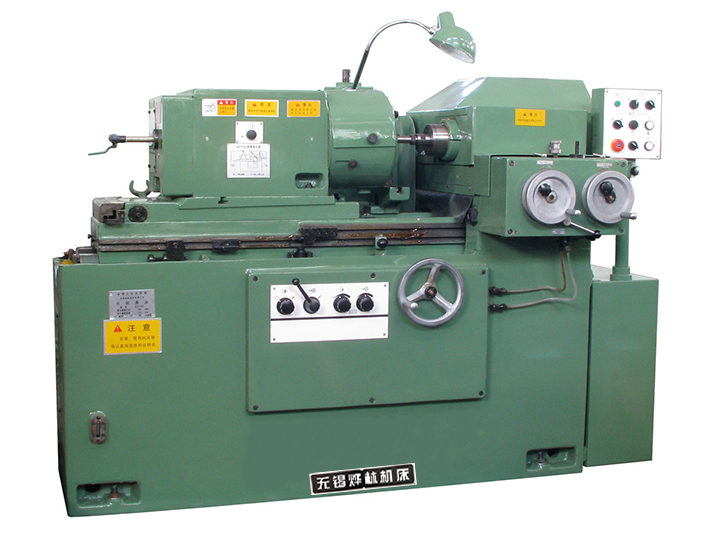
Fully Automatic Grinding Machine: The Machine That Runs the Shift
Release time:2026-11-30 Visits:0
A fully automatic grinding machine takes a part in, grinds it to size, dresses the wheel when needed, measures the result, and takes the next part — with an operator present only to load blanks and empty finished bins. Between those two points, the machine runs its cycle unattended, shift after shift.
This article explains what "fully automatic" really covers, the technologies behind it, and the honest math on when automation pays.
What "Fully Automatic" Means in Practice
A genuinely automatic grinding machine has these pieces working together:
- Automatic grinding cycle — rough, finish, spark-out, retract, executed from a program with no operator input between loadings.
- Automatic wheel dressing with compensation — the wheel dresses on schedule; the control shifts position so part size does not change.
- Automatic size control — in-process gauging measures the part during the cycle and trims the final feed to hold tolerance.
- Automatic loading and unloading — a gantry loader, robot, or bar feeder places blanks and removes finished parts.
- Automatic safety monitoring — wheel wear, coolant flow, and load alarms stop the machine before damage occurs.
Remove any one of these and the machine still needs an operator standing by. All five together are what allows one person to supervise several machines.
The Technologies Behind It
CNC Control as the Brain
The cycle lives in a program. Feeds, speeds, dwells, and dressing intervals are parameters, not operator decisions. This is the foundation everything else builds on.
In-Process Gauging as the Eyes
A gauge head contacts the part during grinding and reports size to the control in real time. The control adjusts the final feed for wheel wear and thermal drift. This is the difference between "automatic cycle" and "automatic quality."
Dressing Automation as the Maintenance
Manual dressing stops production and changes part size until someone re-sets zero. Automatic dressing with compensation happens between parts, silently, and the size never moves.
Loading Automation as the Hands
Gantry loaders and robots place blanks into the workhead, remove finished parts, and stage them for the next operation. For high volumes of similar parts, this is what cuts labor per part to near zero.
Where Automation Pays
|
Batch profile |
Verdict |
|
100+ identical parts per month |
Consider partial automation (auto cycle + gauging) |
|
500+ identical parts per month |
Full automation usually pays within 12–18 months |
|
High-value parts, tight tolerance |
Gauging pays even at low volumes — one scrapped part can cost more than the gauge |
|
Constant, predictable part family |
The automation sweet spot |
|
Highly variable one-offs |
Stay manual; automation is dead capital |
The payback math is simple: annual labor cost saved plus scrap saved, divided by the automation premium. Shops that make the calculation honestly buy automation when the number is under 18 months — and skip it when it is not.
How to Spec a Fully Automatic Grinder
1. Start with the cycle, not the loader. The
automatic grinding cycle and gauging must work flawlessly before loading automation adds value. Building automation around an unreliable cycle multiplies downtime.
2. Match the loader to the part. A gantry loader suits shaft families with small variations; a robot with a gripper suits mixed parts; a bar feeder suits centerless grinding of continuous stock.
3. Ask about changeover. Automation that takes four hours to re-set between families is a trap. Demand quick-change chucks and program-driven setup.
4. Verify the gauging package. In-process or post-process? Which tolerances does it actually hold? Get it in writing.
5. Plan for unmanned operation. Automatic dressing, coolant level control, and chip handling decide whether the machine survives the night shift without a person in the room.
Common Questions
Q: Can my existing grinder be converted to fully automatic?
A: Often yes, in stages: add a CNC retrofit, then in-process gauging, then a loader. The cost-effectiveness depends on the machine's rigidity and condition — a worn bed is not worth automating.
Q: Do I need one operator per automatic machine?
A: No — the point is that one operator supervises several machines, loading blanks and clearing finished parts. Labor per part falls by 60–80% versus manual grinding.
Q: What is the difference between semi-automatic and fully automatic?
A: A semi-automatic machine runs the grinding cycle automatically but needs a person to load, unload, and manage dressing and size. A fully automatic machine does all of it — the person only keeps the machine fed.
 English