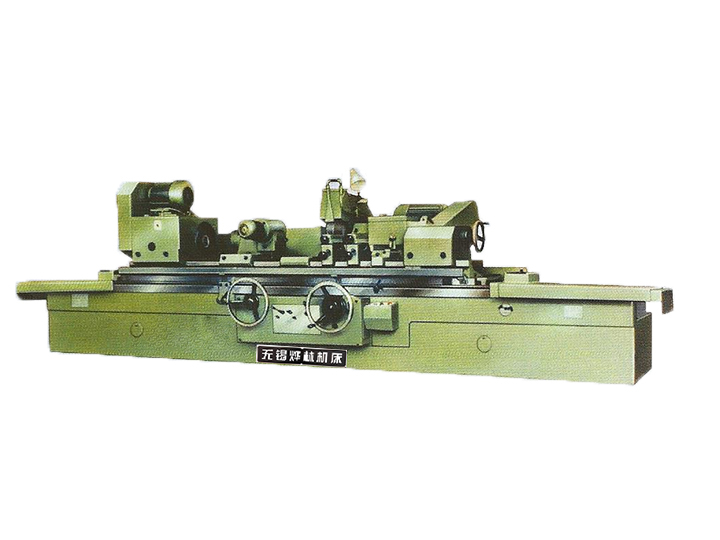
CNC Vertical Grinding Machine: Core Equipment and Application Analysis for High-Precision Machining
Release time:2026-03-13 Visits:522
CNC vertical grinding machine is a high-precision machine tool with a vertical spindle layout. Through gravity optimization and rigid structure design, it achieves excellent machining stability and precision. It is widely used in industrial fields with strict precision requirements, including aerospace, automotive manufacturing, hydraulic components and precision bearings for key parts processing. The following is a detailed analysis of its core advantages, technical characteristics and application scenarios.
1. Structure and Technical Characteristics
The main structure of CNC vertical grinding machine includes a high-rigidity base, column, vertically arranged grinding wheel spindle system, CNC worktable and multi-functional fixtures (such as pneumatic fixtures or electromagnetic chucks). The feed system adopts high-precision linear roller guides and is equipped with closed-loop feedback control to achieve micron-level positioning accuracy (e.g., Z-axis repeat positioning accuracy up to 0.1μm, X/Y-axis positioning accuracy of 0.5μm). The spindle system mostly uses electric spindles or dynamic-static pressure grinding tools, with high-speed stability and rigidity. Combined with a hydraulic balance device and grinding frame rotation function (e.g., ±15° adjustment), it supports grinding of taper holes and complex curved surfaces.
2. Performance Advantages
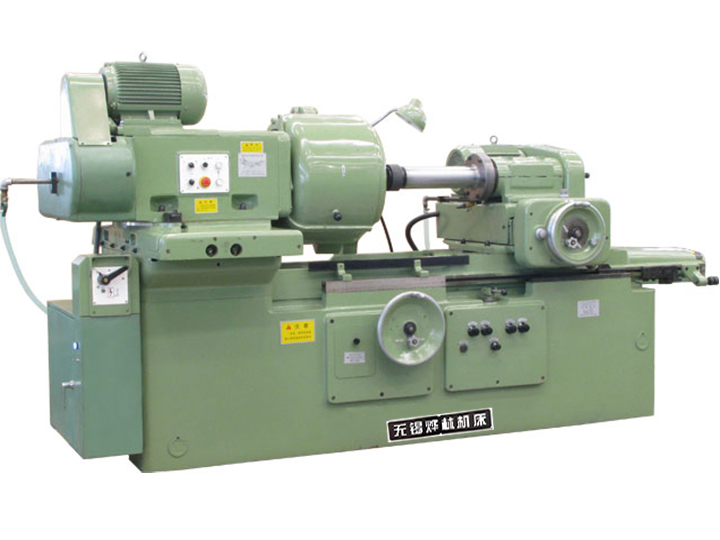
Compared with horizontal
grinding machines, the vertical structure utilizes the workpiece's own weight to evenly disperse to the base, significantly reducing machining deformation, enabling the part surface roughness to reach below Ra0.2μm, and improving accuracy by more than 30%. The CNC system supports stepless speed regulation, multi-axis linkage and online parameter compensation to meet the requirements of high-consistency mass production. Composite models (such as double-head or five-axis models) integrate grinding, milling and drilling functions, realizing multiple processes in one clamping, reducing equipment floor space by more than 50%, increasing efficiency by 2-3 times, and reducing comprehensive production costs by approximately 35%. In addition, the vertical design facilitates operation and maintenance, with high automation, and can be equipped with an automatic loading and unloading system to further improve production efficiency and machining quality consistency.
3. Application Scenarios
CNC vertical grinding machines are suitable for finishing disc, sleeve and special-shaped parts (such as flanges, gears, crankshafts, turbine blades and engine blocks). In mechanical manufacturing, they are used for high-precision grinding of shaft, disc and sleeve parts; in automotive manufacturing, they process key components such as engine blocks, crankshafts and camshafts; in the aerospace field, they handle high-performance parts such as aircraft engine blades, impellers and blisks; in mold manufacturing, they improve the precision and surface quality of injection molds and die-casting molds; in the electronics industry, they are used for surface grinding of ceramic substrates and printed circuit boards (PCB); in the medical device field, they ensure the precision and biocompatibility of artificial joints and surgical instruments; in the optical industry, they process optical elements such as lenses and mirrors to improve surface precision and optical performance.
By equipping with online measuring devices and large-flow cooling and filtering systems (such as magnetic separators and paper tape filters), CNC vertical grinding machines can build automated production lines, reducing manual intervention and ensuring machining stability. Its technical development continues to trend towards high precision, compounding and intelligence, becoming an indispensable core equipment in high-end manufacturing.
 English