CNC Cylindrical Grinding Machine: Repeatability You Can Program
Release time:2026-11-23 Visits:0
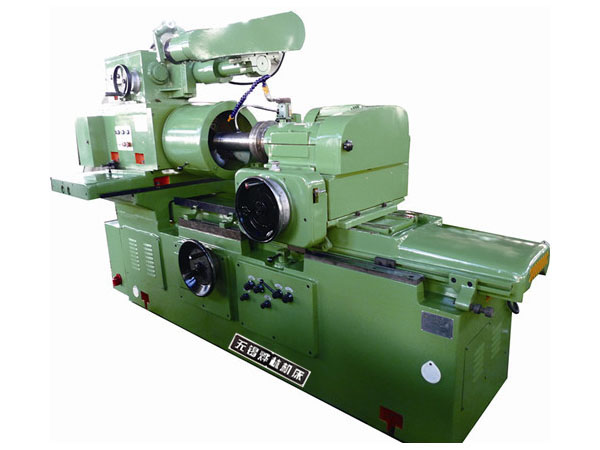
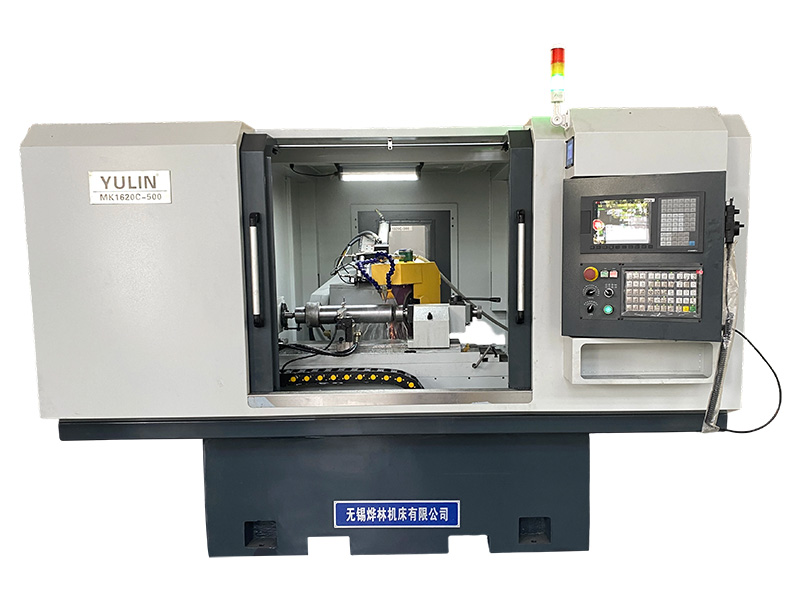
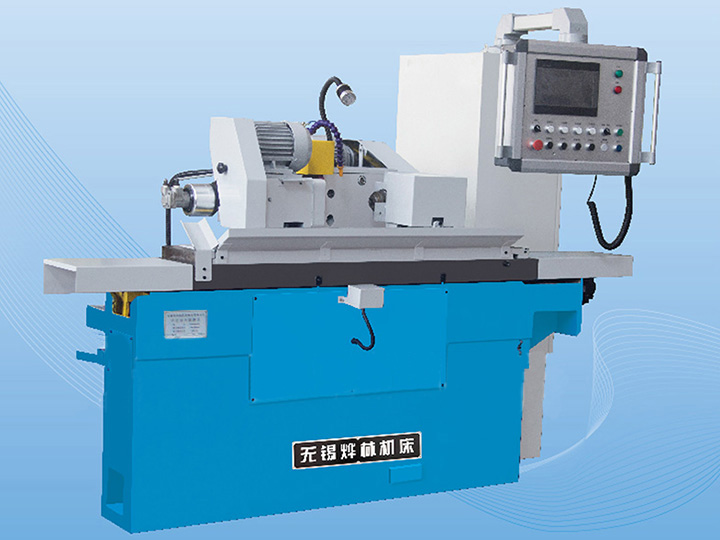
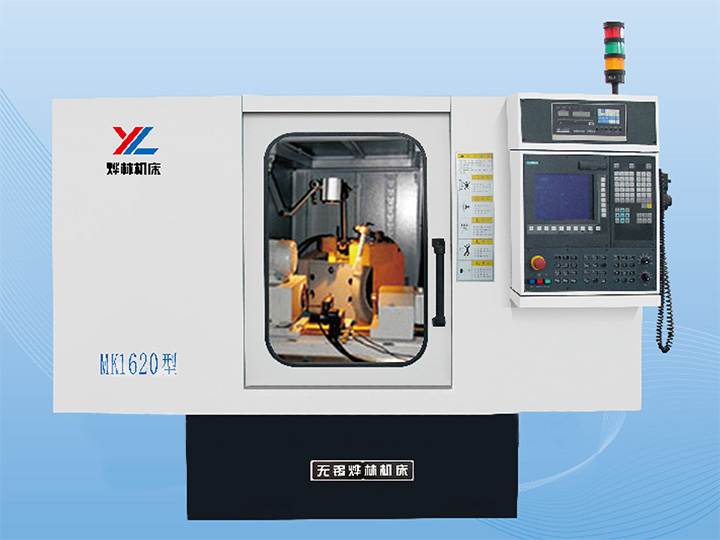
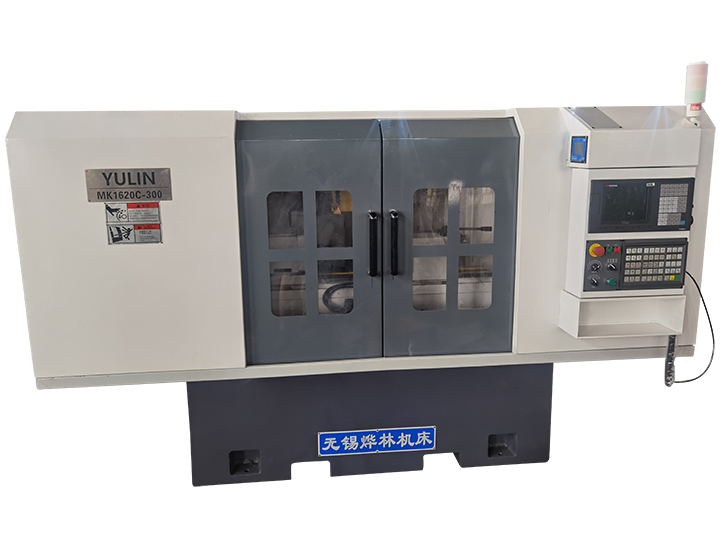
A CNC cylindrical grinding machine is an OD grinder whose feeds, speeds, and dressing are executed by a computer control instead of the operator's hands. The wheel, workhead, and table are the same hardware family as a manual machine; the difference is that every move of a proven cycle runs identically on the thousandth part as on the first.
For shaft production, the MK1320C series at Yelin Machine is built around exactly this idea — modular construction, high rigidity, and CNC control that adapts to high universality and high efficiency in one machine. This article breaks down what the CNC package adds, where it pays, and how to spec one.
What the CNC System Controls
Feed and Speed Programs
Rough grind at aggressive feed, finish grind at fine feed, spark-out with dwell, retract, measure. A manual operator runs this sequence from experience and logs; the CNC runs it from a program. The feeds and speeds are stored, not remembered.
Taper Grinding by Interpolation
Manual machines grind tapers by swiveling the table. CNC machines grind tapers by moving the X and Z axes in coordinated motion — no table swivel, no setup, and the taper angle changes by editing a number instead of loosening bolts.
Automatic Wheel Dressing and Compensation
The dresser sweeps the wheel on schedule, and the control shifts the wheel position by the dressing depth so part size holds. Without compensation, every dressing changes the part size and someone must re-set the zero. With it, the drift is absorbed silently.
In-Process Gauging (Optional)
A measuring head contacts the part during the cycle and feeds size data to the control, which trims the final feed. This is how CNC grinders hold ±0.002 mm without operator intervention, and why they run unattended between loadings.
Angular Approach Cycles
On angular approach machines like the MK1320C angular model, the wheel head feeds at an angle so the journal and its shoulder face grind in one plunge. The CNC coordinates both motions — end face and outer circle in a single operation, ideal for stepped shafts with shoulders.
Where the CNC Premium Pays
|
Situation |
CNC value |
|
Batch production, same shafts weekly |
Program once, run forever; scrap drops |
|
Tolerance ±0.005 mm or tighter |
Gauging + compensation hold size without operator |
|
Multi-step jobs (rough/finish/spark-out) |
Sequence executes identically every part |
|
Tapered or profiled diameters |
Interpolation replaces table swiveling and form wheels |
|
Night or unattended operation |
Proven programs run lights-out with gauging |
|
One-off toolroom work |
CNC premium buys little — stay manual |
The honest rule: if your operator already holds tolerance and your batches are small, a manual universal cylindrical grinder is the cheaper answer. The
CNC machine pays when the same job returns often enough that the program investment amortizes.
Key Specs for a CNC Cylindrical Grinder
- Max grinding diameter and length — match your longest and largest shaft; the bed length is usually the binding spec.
- Axis resolution and repeatability — 0.001 mm resolution on X; check positioning repeatability, not just resolution.
- Wheel spindle power — 7.5 kW and up for production steel work; more for heavy stock removal.
- Wheel size — larger wheels mean longer intervals between dressings and lower cost per part.
- Control system — open controls (Fanuc, Siemens, GSK-class) with network program transfer for connected shops.
- Gauging package — in-process or post-process; decide before ordering, retrofitting is expensive.
- Guideway type — hardened and ground box ways hold geometry; linear rails trade rigidity for speed and belong only on light machines.
Common Questions
Q: How much more accurate is a CNC cylindrical grinder than a manual one?
A: The machine capability is similar — both can hold 0.002 mm roundness. The CNC's advantage is consistency: the same result on part 500 as part 1, without operator fatigue or judgment.
Q: Can a CNC cylindrical grinder grind internal diameters?
A: A universal CNC machine with an internal spindle can. Dedicated OD machines cannot. Choose the configuration by your part mix, not by the brochure.
Q: How do I calculate the payback?
A: Add up scrap savings, labor savings (unattended grinding), and setup savings (program call instead of manual setup), divided by the price difference versus a manual machine. Shops running more than about 500 identical shafts a month typically pay back the CNC premium within 12–18 months.
 English