Grinding Machine Types: A Practical Guide to Choosing the Right One
Release time:2026-10-12 Visits:0
A grinding machine removes material with an abrasive wheel at speeds no cutting tool can match, which is why it is the last stop for most precision parts. Turning and milling get a part close; grinding gets it to size, to finish, and to geometry — often all three at once.
The problem is that "grinder" covers a dozen different machines, and they are not interchangeable. This guide walks through the main types, what each one is built for, and the three questions that decide which machine belongs in your shop.
The Main Grinding Machine Types
Surface Grinding Machine
Grinds flat faces with a wheel spindle parallel or perpendicular to the table. Two layouts dominate: reciprocating table for rectangular parts, rotary table for rings and discs. Typical results: flatness 0.005 mm over the part, finish Ra 0.2–0.8 μm. Used for mold plates, gauge blocks, and datum faces.
Cylindrical Grinding Machine
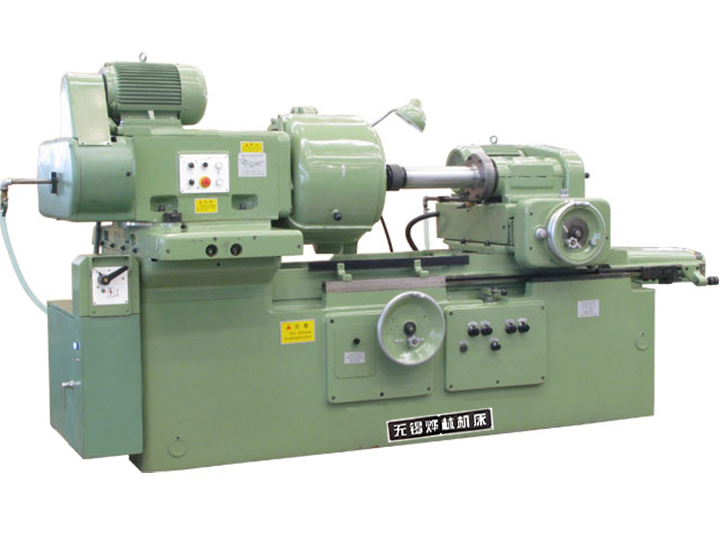
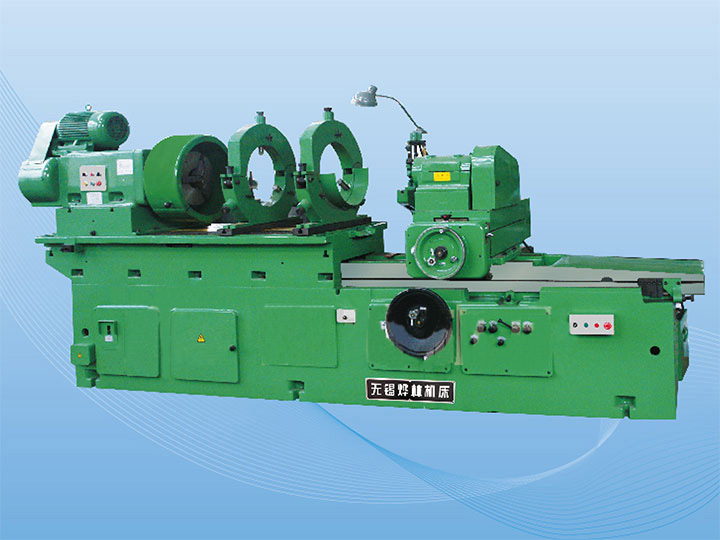
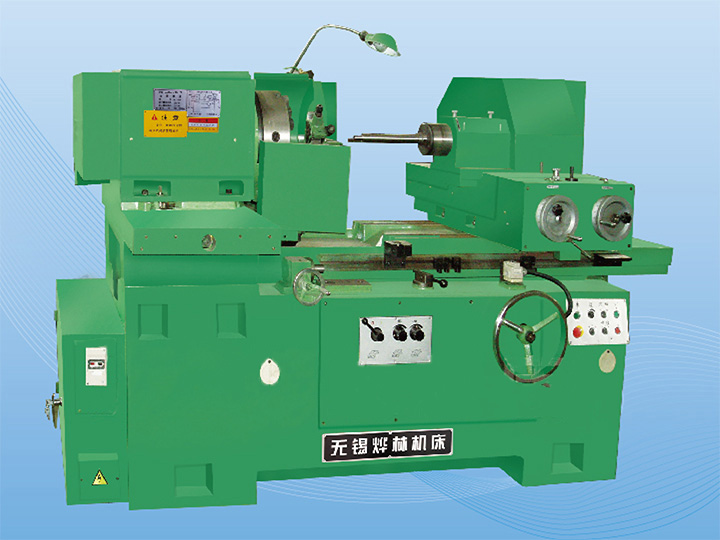
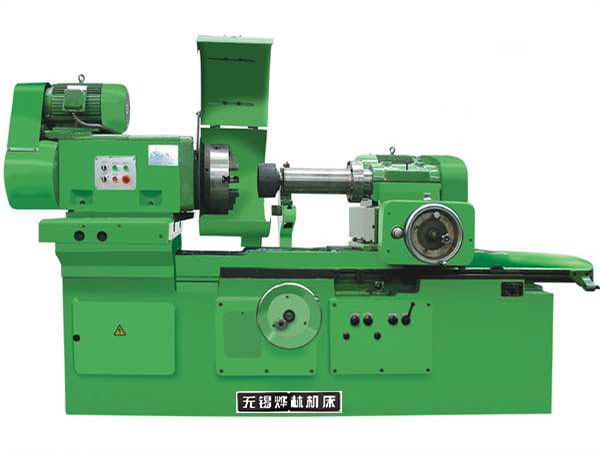
Grinds the outside diameters of shafts, rolls, spindles, and axles between centers or with a chuck. A plain cylindrical grinder handles one job family; a universal machine adds an internal spindle and swiveling workhead for flexibility. Roundness to 0.002 mm is routine on a well-maintained machine.
Internal Grinding Machine
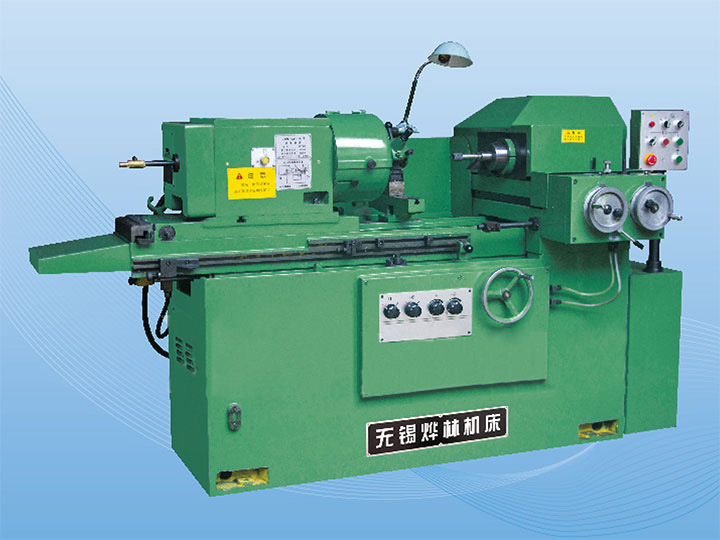
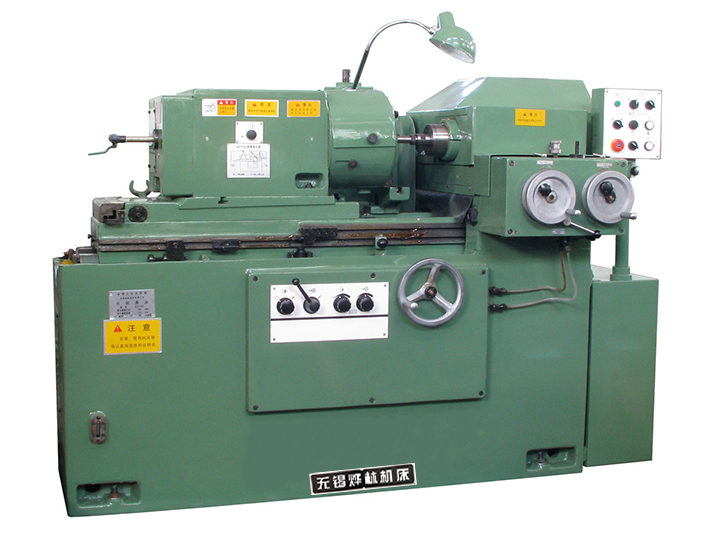
Grinds bores and internal tapers. The grinding wheel is small and spins fast — often 20,000–40,000 rpm — to keep cutting speed up inside the hole. The challenge is rigidity: a small wheel on a long spindle deflects easily, so machine stiffness decides the roundness you can hold. Typical parts: bearing bores, bushings, sleeves, gear bores.
Centerless Grinding Machine
Grinds the OD of cylindrical parts without centers or chucks. The workpiece rides between the grinding wheel and a regulating wheel, so it is the fastest way to grind straight, round parts in high volume. The MK1040S centerless grinder at Yelin Machine, for example, runs the wheel at 45 m/s and holds roundness to 0.002 mm on mass-produced pins and rings.
Vertical Grinding Machine
The spindle is vertical, the worktable horizontal, and the workpiece sits flat on the table. Gravity and the worktable bearing carry heavy disc, ring, and cylinder parts that would deflect on a horizontal machine. Many vertical grinders also turn, so a flange can be turned and ground in one clamping.
Tool and Cutter Grinder
Sharpen end mills, drills, and inserts. A separate category — if you mostly make cutting tools, this is the machine you need, not a production grinder.
How the Type Breaks Down by Part
|
Part shape |
Machine type |
|
Flat plate, mold insert, strip |
Surface grinder |
|
Ring, disc, short cylinder, batch |
Rotary table surface grinder |
|
Shaft, roll, axle, spindle |
Cylindrical grinder |
|
High-volume pins, bushings, rollers |
Centerless grinder |
|
Bore, sleeve, bearing inner ring |
Internal grinder |
|
Heavy disc, flange, cylinder liner |
Vertical grinder |
Three Questions That Choose the Machine
1. What is the dominant part geometry?
Sort your parts into the table above and count hours, not part numbers. The family that consumes most of your grinding hours should dictate the machine type. Cover the rest with attachments or outside processing.
2. What tolerances and finishes actually appear on the drawings?
There is no point paying for 0.002 mm roundness if your prints call out 0.01 mm. Conversely, if prints keep tightening, buy the more rigid machine now — retrofitting rigidity later costs more than buying it upfront.
3. What is the batch size?
One-off toolroom work needs a flexible manual or CNC machine. Production batches justify automation: automatic dressing, in-process gauging, and loading systems. The break-even point for automation is usually above 500 identical parts per month.
CNC or Manual?
Manual grinders are cheaper and make sense for toolrooms and repair shops. CNC adds: programmed multi-step cycles, taper grinding by interpolation, automatic wheel dressing with compensation, and in-process measurement. If your operator already knows the process, CNC removes the skill from the equation and makes the results repeatable shift after shift. See our CNC cylindrical grinder guide for what the electronics actually buy you.
Common Questions
Q: Can one grinding machine do everything?
A: Universal
cylindrical grinders come closest — OD, ID, and face grinding on one machine. But universality costs rigidity and throughput. Most shops run two or three dedicated types.
Q: How accurate is a grinding machine compared to a lathe?
A: A good grinder holds roundness and cylindricity an order of magnitude tighter than a good lathe — roughly 0.002 mm versus 0.02 mm — because the abrasive wheel cuts with far lower forces than a turning tool.
Q: Do I need coolant on a grinder?
A: Yes, on almost every job. Coolant controls heat, washes away swarf, and stabilizes finish. Grinding dry is limited to light toolroom work with resin-bond wheels.
 English