Lathe Grinding Machine: When One Setup Beats Two Machines
Release time:2026-09-28 Visits:0
A lathe grinding machine — in the sense most machine shops mean it — is a turning center with grinding capability, or a lathe fitted with a grinding attachment. The idea is simple: turn the part, then grind critical diameters in the same clamping, without moving the workpiece from the lathe to the grinder.
That single-clamping concept is why turn-grind combined machines are spreading through shaft, roller, and hydraulic component shops. This article looks at how they work, where they genuinely save money, and where a conventional lathe plus grinder is still the better answer.
Two Ways to Build a "Lathe Grinder"
1. Grinding Attachment on a Conventional Lathe
A motorized grinding spindle mounts on the tool post or a separate rest. The lathe turns slowly while the grinding wheel feeds into the workpiece. This is the cheap route: it converts an idle lathe into an occasional grinder for repair work, worn shafts, or soft chuck jaws.
The limitations are real — the lathe bed and headstock are not built for grinding stiffness, feed resolution is coarse, and coolant management is improvised. Use this only for rough salvage work, never for production tolerances.
2. Dedicated Turn-Grind Center
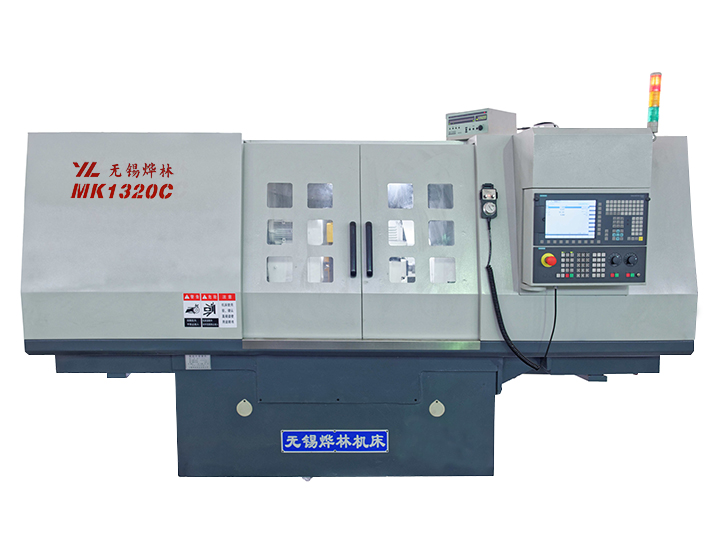
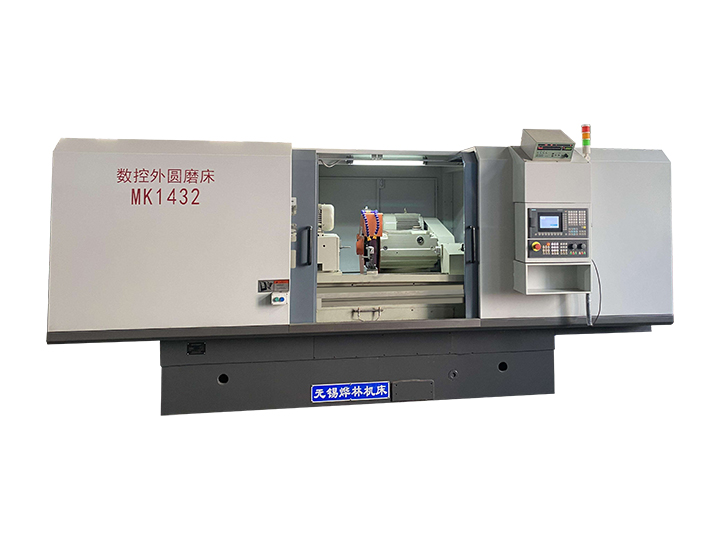
A purpose-built machine with a turning spindle and a high-speed grinding spindle on a rigid compound slide, controlled by a CNC system that switches automatically between turning tools and the grinding wheel. Both spindles share one datum, so the grinding pass references the turned diameters without a second setup.
This is what most buyers mean when they search "lathe grinding machine" today, and it is the configuration worth analyzing.
What a Turn-Grind Center Does Well
- Motor shafts and armature shafts — turn the steps, grind the bearing seats and seal surfaces to a few microns in one loading.
- Hydraulic piston rods and plungers — turn, then grind the polished OD with roundness held to 0.002 mm.
- Rollers, mandrels, and toolholders — the classic case where concentricity between turned features and ground features decides whether the part works.
- Repair and remanufacturing — build up a worn shaft by welding or plating, then turn and grind it back to print.
The measurable wins are: no second clamping, no fixture error, less handling damage, and a shorter floor-to-floor time per part.
When a Separate Grinder Is Still Better
Do not let the combined machine solve a problem you do not have. Keep the two-machine layout when:
- Batch sizes are large and dedicated. A
CNC cylindrical grinder with automatic loading will out-produce a turn-grind center on the same shaft, day after day.
- Grinding is occasional. If 90% of your work is plain turning, a dedicated grinder that sits idle is wasted capital — a grinding attachment covers the occasional need.
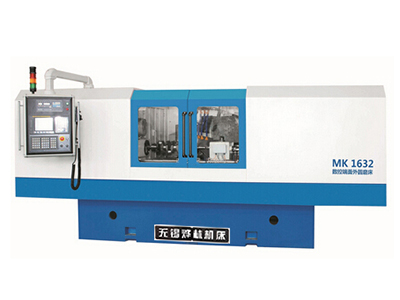
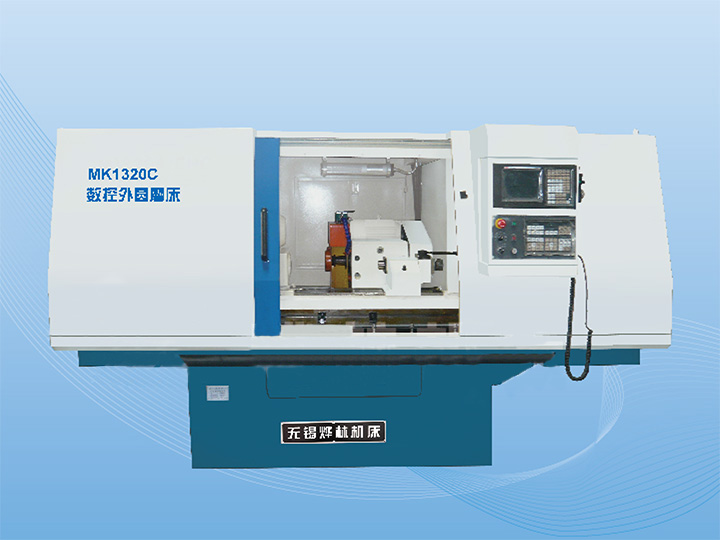
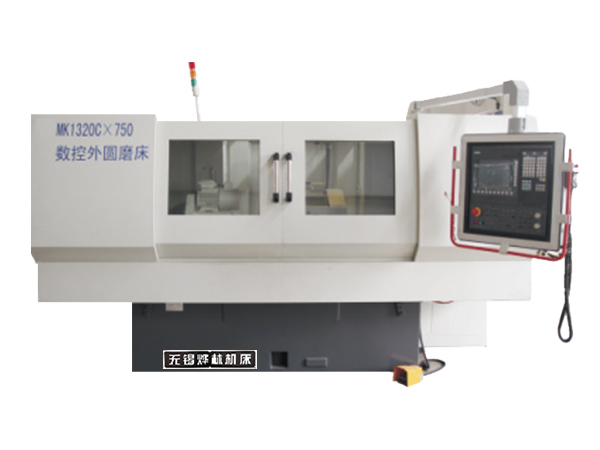
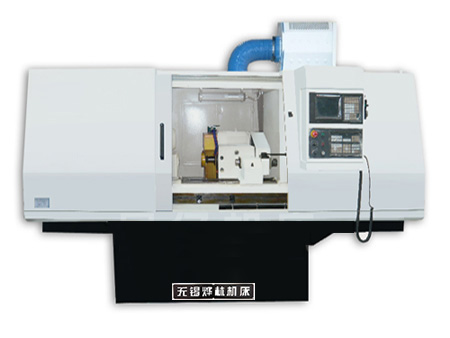
- Accuracy demands exceed the machine class. High-end cylindrical grinders still hold roundness and cylindricity figures that turn-grind centers struggle to match at the same price.
- Parts are long and slender. A centerless or between-centers cylindrical grinder handles long shafts with supports that a lathe-style layout does not provide.
How to Compare Quotes
Ask for the same test part from every supplier: a stepped shaft with two turned diameters and one ground diameter. Compare:
|
Criterion |
What to check |
|
Roundness on the ground diameter |
Target 0.003 mm or better, measured on the machine |
|
Concentricity, turned vs. ground |
Below 0.01 mm total indicator reading |
|
Changeover time, turn to grind |
Should be program-driven, under a minute |
|
Grinding spindle power |
At least 5.5 kW for steel shaft work |
|
Rigidity of the compound slide |
Hardened box ways preferred over linear rails |
A serious supplier will grind your sample part before you sign. If they will not, that is the answer in itself.
Common Questions
Q: Can I grind hardened steel on a lathe grinder?
A: Yes, if the grinding spindle has adequate power and speed and the machine has coolant delivery to the grinding zone. Grinding a 60 HRC shaft after turning is exactly what these machines are built for.
Q: Does a turn-grind machine remove the need for a cylindrical grinder?
A: Not entirely. For production batches of shafts, a dedicated CNC cylindrical grinder remains faster and often more accurate. The combined machine wins where part variety is high and setup time dominates.
Q: What finish can a lathe grinding machine hold?
A: In practice Ra 0.2–0.4 μm on the ground diameters, with roundness near 0.002–0.003 mm on a rigid machine. Below that, move to a dedicated cylindrical grinder.
 English