Universal Cylindrical Grinder: Functions, Technical Parameters and Application Guide
Release time:2026-03-30 Visits:599
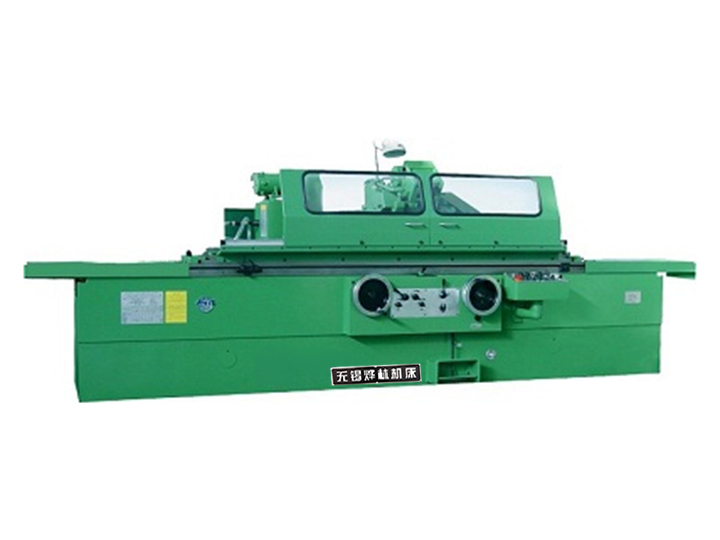
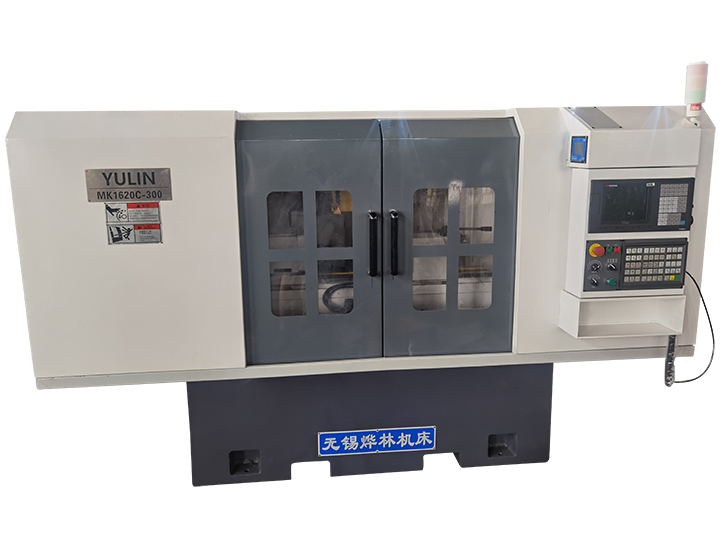
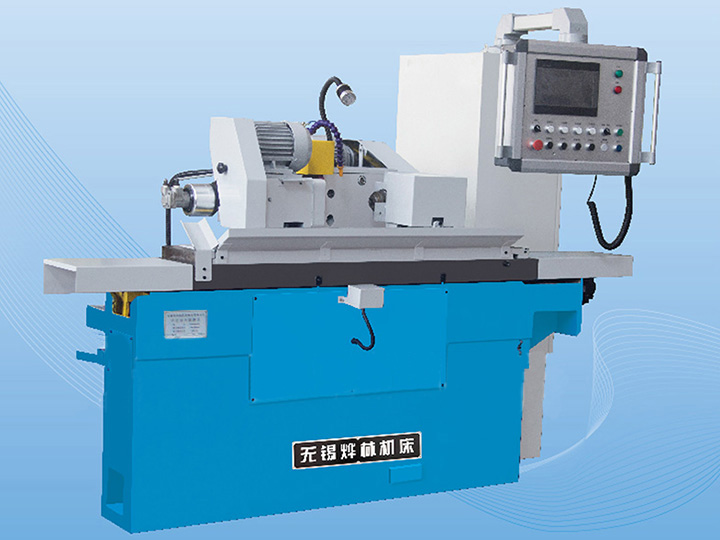
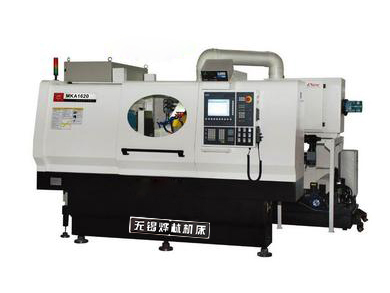
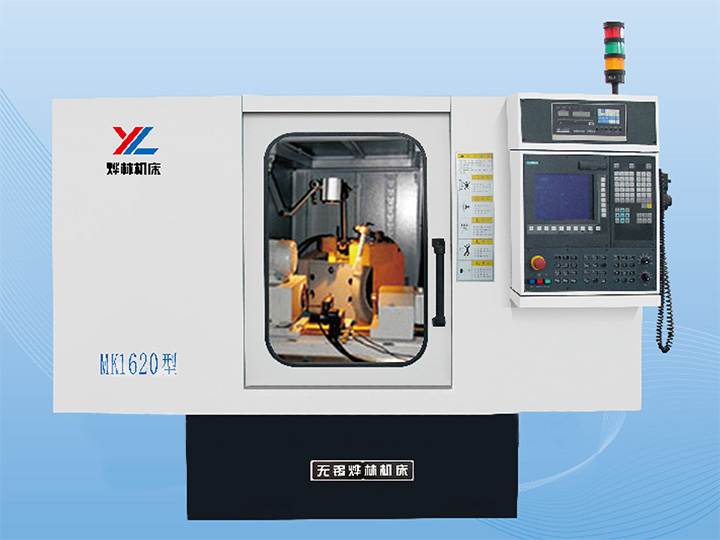
The universal cylindrical grinder is a versatile precision machining tool designed specifically for grinding various types of rotating workpieces. It has undergone several key structural improvements over the ordinary cylindrical grinder, significantly expanding its machining range and making it suitable for production scenarios requiring high precision.
Core Functions and Structural Features
The core advantage of the universal
cylindrical grinder lies in its versatility. It can not only handle the grinding of external cylindrical surfaces, external conical surfaces, and end faces but also efficiently perform precision machining of internal cylindrical surfaces, internal conical surfaces, and stepped end faces of shaft holes. This capability is attributed to the addition of an internal grinding attachment on the wheelhead and the provision of multiple sets of grinding rods of different specifications.
The structural design of the machine tool emphasizes flexibility and precision. The headstock and wheelhead housings adopt a rotatable structure, and the headstock spindle is of a live spindle type, which can usually be adjusted within a 90-degree counterclockwise angle range. By adjusting the angles of the headstock, worktable, or wheelhead, operators can accurately grind internal and external conical surfaces with different tapers.
In terms of motion control, the machine tool combines electrical and hydraulic technologies. Operations such as the longitudinal movement of the worktable, rapid advancement/retraction of the wheelhead, and automatic periodic feeding are hydraulically driven via buttons, while manual operating mechanisms (such as handwheel drives) are also retained for fine adjustment. Independent motors drive the workpiece, external grinding wheel, internal grinding wheel, hydraulic pump, and cooling system respectively, ensuring stable and efficient operation. The provision of safety interlock devices and protective covers fully guarantees operational safety.
Main Technical Parameters and Model Selection
Universal cylindrical grinders are often classified according to the maximum diameter of workpieces they can machine, forming different series to meet diverse production needs.
The 200mm series machine tools have a maximum grinding diameter of Φ200mm, a center height of 135mm, and a maximum workpiece weight of approximately 50kg. Their maximum grinding lengths typically include specifications such as 500mm or 750mm, suitable for precision machining of small and medium-sized parts.
The 320mm series is a more common model, with a maximum grinding diameter of up to Φ320mm, a center height of 180mm, and a maximum workpiece weight of approximately 150kg. The maximum grinding length of this series can be extended to 1000mm or 1500mm, suitable for larger and heavier workpieces. This series also includes various variants such as general-purpose type, precision semi-automatic type, and special models capable of grinding large 7:24 tapers, providing a rich range of options.
In addition, there are larger series such as 500mm and 630mm on the market, used for processing heavy workpieces. It is worth noting that the minimum grinding diameter of such machine tools can usually be as small as Φ8mm, and the grinding wheel linear speed is generally 35m/s, ensuring machining fineness and efficiency.
Application Scenarios and Selection Suggestions
The universal cylindrical grinder is an ideal equipment for mechanical processing workshops, tool rooms, and machine repair workshops, especially suitable for the production of small and medium batch parts with high machining precision requirements. Its versatility allows it to replace multiple special-purpose machine tools, saving space and equipment investment.
When selecting a machine tool, it is necessary to determine the appropriate model series based on the maximum diameter, length, weight of the workpiece to be processed, and the required precision level. For workpieces that need to grind inner holes or complex conical surfaces, it is necessary to confirm whether the internal grinding attachment configuration of the machine tool and the rotation angle range of the headstock/wheelhead meet the requirements.
Please note that the specific configuration, price, and supply information of the machine tool should be consulted directly with the manufacturer or supplier to ensure that the selection fully meets your production needs.
 English