Ultimate Guide to CNC Grinding Machines: Comprehensive Analysis of Principles, Advantages and Applications
Release time:2026-03-02 Visits:543
A CNC grinding machine is a high-precision machine tool that controls the grinding process through digital program instructions. It deeply integrates computer technology, automatic control and precision mechanical technology to achieve high-efficiency, high-stability and high-consistency processing of various workpieces, and is a core equipment in modern precision manufacturing.
I. Core Components and Working Principles
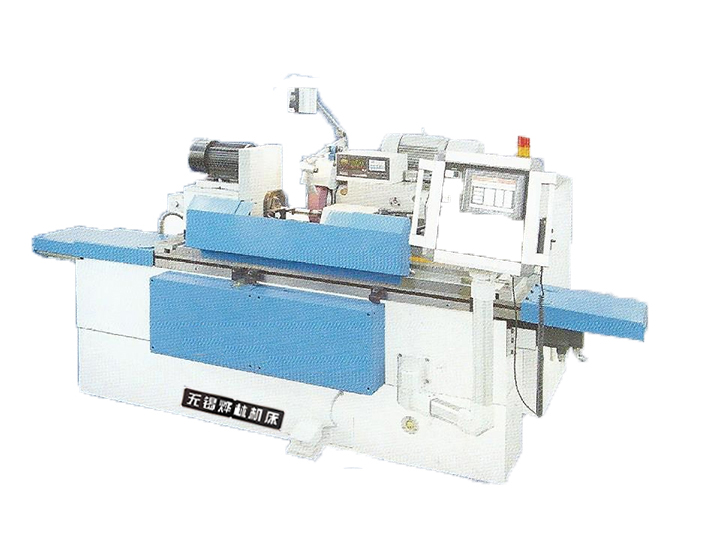
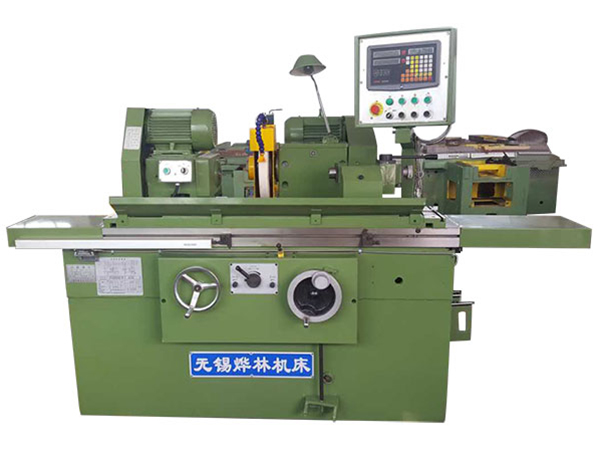
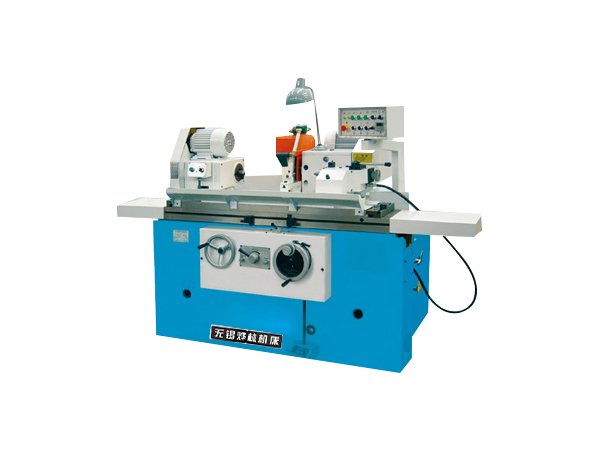
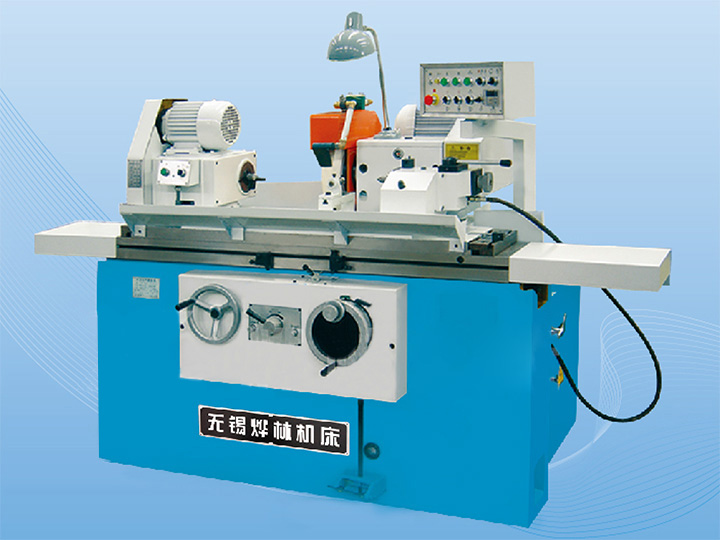
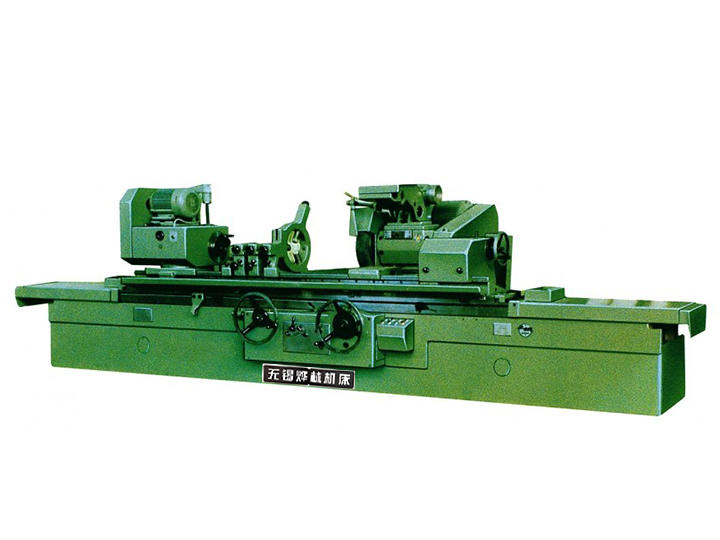
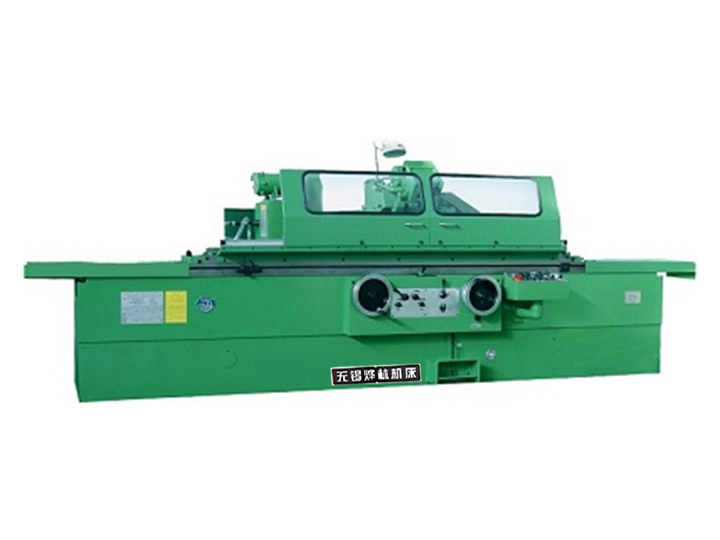
CNC grinding machines consist of core components such as bed, grinding head, worktable, CNC system and cooling system. The high-rigidity bed ensures processing stability; the grinding head unit is equipped with a high-speed grinding wheel to maintain extremely high rotational accuracy; the multi-axis worktable realizes precise displacement. As the intelligent control center, the CNC system parses G-code programs and drives servo motors to execute precise grinding trajectories, feed rates and speed parameters. The cooling system continuously provides cutting fluid to effectively reduce temperature and remove grinding chips.
Its workflow includes workpiece clamping, program calling, automatic tool setting and fully automatic grinding. Through pre-programmed instructions, the system precisely controls the relative movement between the grinding wheel and the workpiece to complete precision machining of complex profiles, and dynamically adjusts parameters relying on real-time monitoring and feedback systems to ensure micron-level machining accuracy.
II. Technical Characteristics and Core Advantages
CNC grinding machines have four core advantages:
1. Ultra-high precision: Machining accuracy can reach the micron level, meeting the strict requirements for part interchangeability in aerospace, medical equipment and other fields.
2. High degree of automation: Automatically complete all processing operations through program control, greatly reducing manual intervention and improving production efficiency and consistency.
3. Excellent flexibility: Processing tasks can be quickly switched by simply modifying the program, especially suitable for the needs of multi-variety, small-batch flexible production.
4. Stable and economical: Although the initial programming and debugging takes a long time, the program can be reused, which can significantly reduce the unit cost in mass repetitive production.
III. Main Classifications and Application Fields
According to processing methods and structures, CNC grinding machines are mainly divided into surface grinders, centerless grinders, cylindrical grinders, coordinate grinders and forming grinders. Among them, three-axis CNC models are suitable for processing shaft and plate parts through X, Y, Z axis linkage; fully automatic models integrate robot technology to realize unmanned operation of the whole process from clamping to unloading.
Its applications cover key industrial fields:
- Automobile manufacturing: Precision grinding of key parts such as engine crankshafts, camshafts and transmission components
- Aerospace: Ultra-precision component processing such as turbine blades and engine parts
- Mold industry: Precision profile processing of injection molds and stamping molds
- Medical equipment: Manufacturing of ultra-high precision devices such as artificial joints and surgical instruments
- Energy equipment: Processing of large high-hardness components such as wind power main shafts and nuclear power valves
IV. Selection and Economic Analysis
CNC grinding machines are particularly suitable for the production small and medium batch key parts. Attention should be paid to:
- Economic benefits are closely related to batch size: Simple parts with too small batches may lack economic efficiency
- Need to balance production takt: As part of the production line, it needs to be coordinated with other equipment processes
- Significant advantages for complex parts: For parts with complex shapes and high quality requirements, their value can be reflected even in small batches
With technological progress, CNC grinding machines are developing towards higher precision, intelligence (such as adaptive control, Internet of Things integration) and combined processing, and their position in flexible manufacturing systems is increasingly important. When selecting models, specific needs such as processing materials, precision requirements and production scale should be comprehensively considered to ensure maximum return on equipment investment.
 English