Core Differences Between Lathes and Grinders: A Comprehensive Analysis of Machining Principles, Process Characteristics, and Application Scopes
Release time:2026-02-20 Visits:606
In the field of mechanical manufacturing, lathes and grinders are two fundamental and critical machining equipments, which have essential differences in machining principles, process characteristics, and application scopes. Understanding these differences helps manufacturers select appropriate equipment according to specific needs, optimize production processes, and improve machining efficiency and workpiece quality.
1. Machining Principles and Core Characteristics
The machining principle of a lathe is based on the rotation of the workpiece and the fixing of the tool. The workpiece is clamped on a chuck or center and driven by the spindle to rotate at high speed, forming the main motion. The tool is mounted on the tool post and performs linear feed motion along the axial or radial direction of the workpiece, removing material layer by layer through turning. This continuous cutting method makes it suitable for workpieces with large machining allowances, enabling efficient completion of various processes such as outer circles, end faces, threads, and grooves. Modern CNC lathes have further expanded capabilities, capable of handling complex rotating structures and improving machining flexibility.
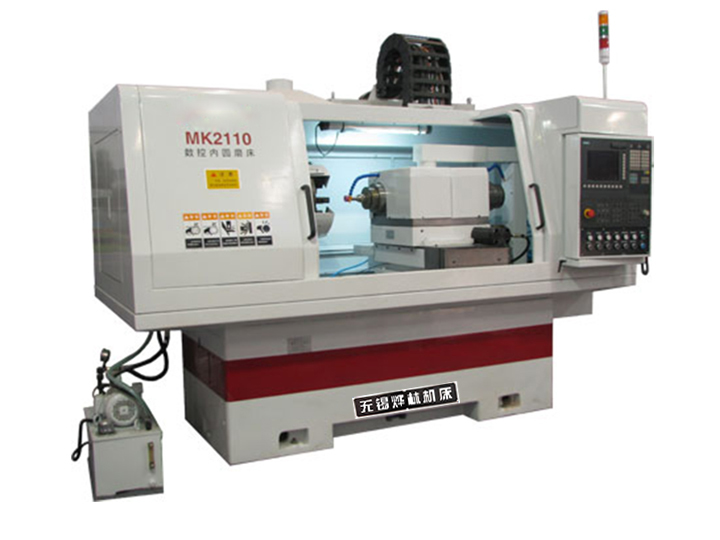
The core feature of a
grinder lies in its configuration of a high-speed rotating grinding wheel. During machining, the grinding wheel, as the main moving component, rotates at high speed, and the workpiece comes into contact with the grinding wheel through feed motion, removing微量 material by grinding. This machining principle focuses on high precision and surface quality, achieving extremely high dimensional accuracy and surface finish, and can process high-hardness materials such as hardened steel and cemented carbide. Grinder machining methods include surface grinding, cylindrical grinding, and internal grinding, but the machining allowance is usually small.
2. Comparison of Process Characteristics and Efficiency
The continuous cutting characteristic of lathes results in high machining efficiency, making them particularly suitable for mass production of rotating parts such as shafts, disks, and sleeves. Multiple processes can be completed with a single clamping, reducing equipment adjustment time and improving production efficiency. In addition, lathes have strong versatility and can adapt to various materials and machining requirements with medium to large allowances.
Grinders, on the other hand, focus on precision finishing and surface quality improvement. Their intermittent cutting method facilitates heat dissipation, allowing the use of higher-precision abrasives, but machining efficiency is relatively low. Grinders are typically used in the final finishing stage to ensure that workpieces meet strict dimensional tolerances and surface finish requirements. However, due to small machining allowances, they are not suitable for roughing or semi-finishing.
3. Application Scopes and Typical Applications
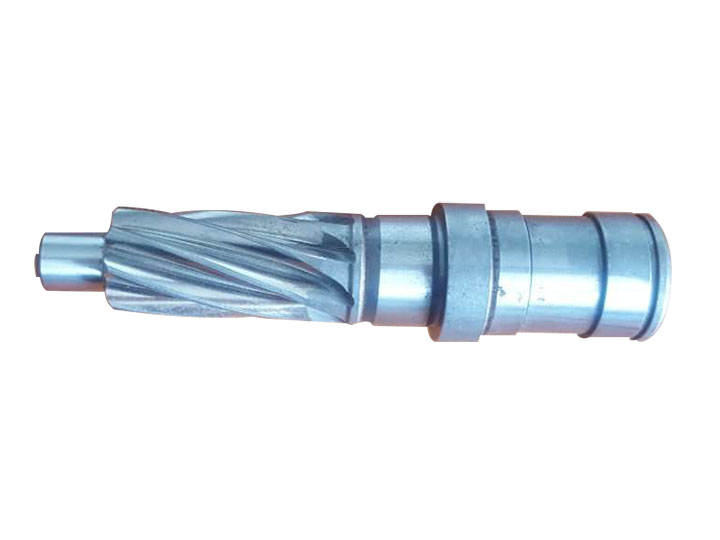
Lathes are widely used in automotive, aerospace, and general machinery manufacturing fields, with typical parts including drive shafts, camshafts, flanges, and sleeves. These parts usually require efficient forming and medium precision, and lathes can quickly remove material and form basic geometric shapes.
Grinders are mainly used in scenarios requiring high precision, such as precision instruments, mold, and tool manufacturing. Typical applications include aviation components, gears, blades, and precision shaft parts. These workpieces often undergo heat treatment or have high hardness and need to be ground to achieve final precision. Grinders can also improve the surface quality of thin film layers and special materials.
4. Collaborative Operation and Process Chain Integration
In actual production, lathes and grinders often work collaboratively to optimize the process chain. First, lathes are used for roughing and semi-finishing to quickly remove most of the allowance and form the workpiece blank; then grinders complete the finishing to ensure the final dimensional accuracy and surface quality. This combination can not only improve overall efficiency but also ensure that workpieces meet high standards.
In summary, lathes focus on efficient forming of rotating parts, suitable for scenarios with large machining allowances and medium to high productivity; grinders are dedicated to precision finishing and surface finish improvement, suitable for high-precision, high surface quality, and hard material machining. Manufacturers should reasonably select equipment according to workpiece materials, precision requirements, and production batches to achieve the best machining results.
 English