Ultimate Guide to Face Grinding Machines: Principles, Applications, and Selection Criteria
Release time:2026-02-09 Visits:559
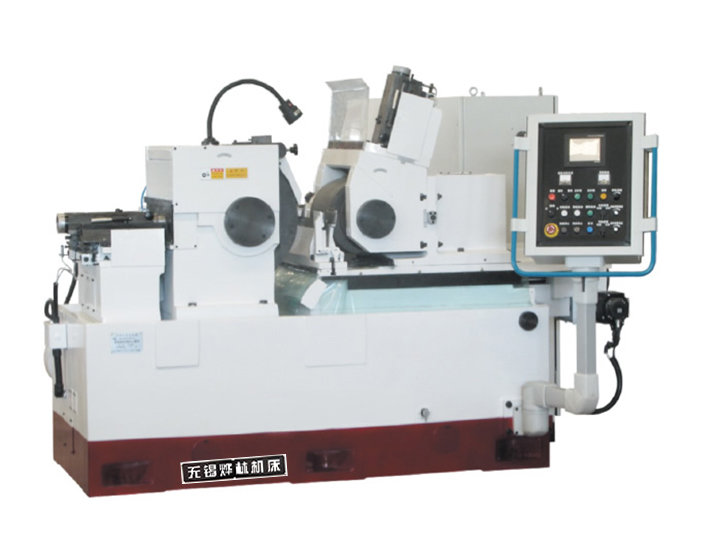
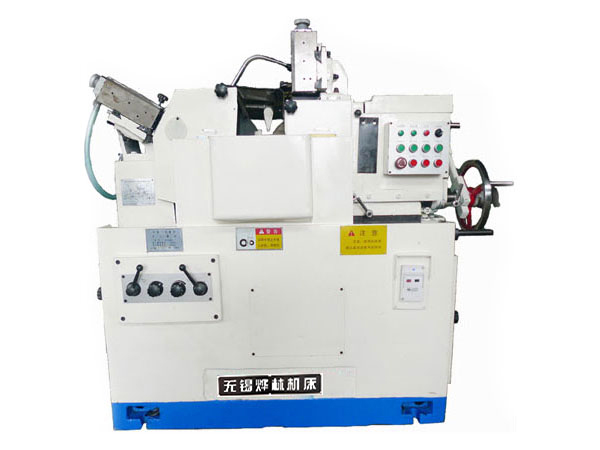
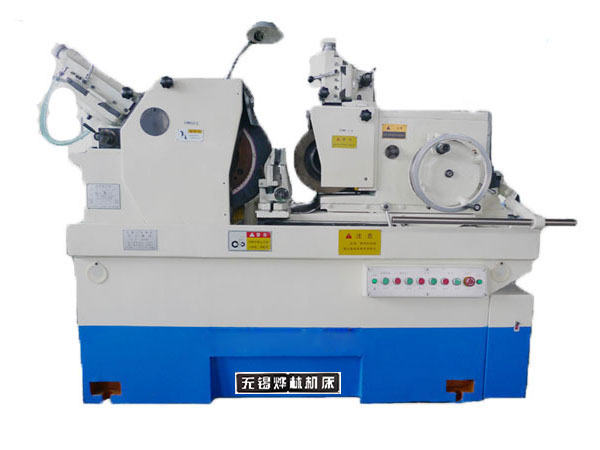
Face grinding machines are core equipment in the precision manufacturing field, specifically designed for high-precision, high-finish grinding of workpiece end faces. They achieve large-area grinding through contact between the grinding wheel face and the workpiece, combining efficiency and precision, making them indispensable key equipment in modern industry.
I. Core Working Principles and Characteristics
Face grinding machines adopt a unique structure where the grinding wheel spindle is parallel to the worktable, making the grinding wheel face the main grinding surface. Workpieces are fixed via electromagnetic chucks or specialized fixtures, while the grinding wheel feeds axially during high-speed rotation, and the worktable coordinates longitudinal and transverse movements to complete machining. This design offers four core advantages:
1. Ultra-high precision: Achievable flatness accuracy of 0.002mm and surface roughness below Ra 0.2μm
2. High-efficiency machining: Large-area contact of the grinding wheel face increases metal removal rate by over 300% compared to peripheral grinding
3. Excellent rigidity: Heavy-duty bed and reinforced spindle structure withstand large cutting forces, ensuring machining stability
4. Automated integration: Modern models feature automatic dressing, in-line measurement, and compensation systems, enabling intelligent production
II. Typical Application Scenarios
• Bearing industry: Precision finishing of bearing ring end faces
• Automotive manufacturing: Gearbox gears, pistons, connecting rod end faces
• Hydraulic systems: Pump valve end caps, valve plate surface grinding
• Tool manufacturing: End face processing of milling cutters and drill shanks
• Aerospace: Critical components like engine blade tenons
III. Fundamental Differences from Surface Grinders
The core difference between face grinders and conventional surface grinders lies in the grinding method:
| Comparison Dimension | Face Grinding Machine | Conventional Surface Grinder |
|---------------------|----------------------|-----------------------------|
| Grinding Method | Grinding wheel face grinding | Grinding wheel circumference grinding |
| Contact Area | Large area contact | Line contact |
| Machining Efficiency | Extremely high, suitable for mass production | Relatively low, suitable for precision forming |
| Rigidity Requirement | Extremely high rigidity structure | Medium rigidity sufficient |
| Cooling Requirement | Requires powerful cooling system | Conventional cooling sufficient |
IV. Selection Recommendations and Technological Development
Key considerations when selecting a face grinding machine:
1. Choose grinding wheel material based on workpiece material (CBN/diamond/aluminum oxide)
2. Select single-face or double-face models according to production capacity requirements
3. Prioritize CNC models equipped with in-line measurement systems
4. Consider equipment rigidity indicators and thermal deformation control capabilities
Current face grinding machine technology is developing toward智能化 (intelligence): integrating machine vision positioning, adaptive grinding parameter adjustment, and digital twin technology to achieve predictive maintenance and zero-defect production. Mastering these key technical points will help manufacturing enterprises significantly improve production efficiency and product quality competitiveness.
 English