High Precision Jig Grinder: Core Technologies, Applications, and Selection Guide
Release time:2025-12-22 Visits:624
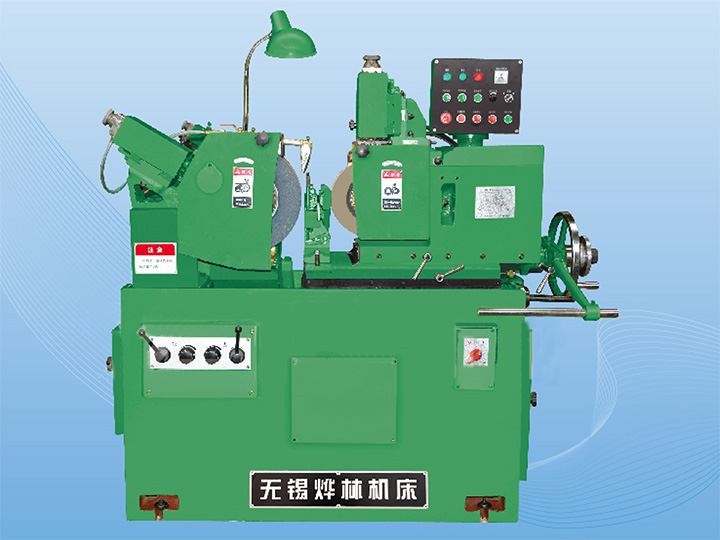
A jig grinder is a high-end grinding equipment specialized for ultra-precision machining, widely used in mold manufacturing, optical components, precision machinery, and semiconductor industries. Through precise coordinate positioning and high-speed grinding technology, it achieves micron-level or higher precision machining of complex-shaped workpieces, precision holes, and curved surfaces.
1. Core Technologies and Performance Characteristics
The core technologies of jig grinders include high-precision servo drive systems, multi-axis linkage functions, and precision measuring devices. Hydrostatic guideway technology is commonly used to ensure long-term operational stability and dynamic performance of the equipment. The spindle speed range is wide, up to tens of thousands to hundreds of thousands of revolutions per minute, and supports interchangeable designs to meet grinding requirements of different materials. The CNC system supports complex surface programming and automated machining, significantly improving processing efficiency and consistency.
Diverse grinding methods:
- For surface grinding, the worktable moves along the X or Y direction, and the grinding wheel achieves micro-feeding through eccentric radius.
- In profile grinding, point-to-point control or continuous path CNC technology is adopted, with coordinate movement and eccentric slide plate controlling the radius size.
- Tapered hole grinding combines radial feed and vertical feed.
Common grinding methods include radial feed grinding (using the circumferential surface of the grinding wheel, with high precision and low roughness) and plunge grinding (using the end face of the grinding wheel, suitable for special shapes such as shoulder faces, but requires careful operation to prevent wheel bursting).
2. Typical Application Scenarios
1. Mold manufacturing: Such as grinding of insert hole distances, processing of stamping dies and pressing dies.
2. Optical components: Lens surface forming and high-precision polishing.
3. Precision machinery: Processing of high-precision fixtures, semiconductor components, and hardened materials.
4. Complex geometric workpieces: Such as inner gear rings, index plates, and cams, achieving grinding similar to slotting through slotting grinding accessories.
3. Selection Recommendations
Selection needs to comprehensively consider processing accuracy, workpiece complexity, production scale, and budget:
- High-precision demand fields (such as aerospace, optics): Priority should be given to five-axis linkage models equipped with high-speed spindles and precision measuring systems.
- Production efficiency and environmental adaptability: Pay attention to automated functions (such as quick tool change, enhanced cooling systems) and structural reinforcement designs to adapt to harsh environments.
It is recommended that users communicate in detail with suppliers about technical parameters and after-sales service plans based on specific needs (material type, tolerance requirements, output).
4. Summary
Through advanced technologies and diverse grinding methods, jig grinders have become core equipment for ultra-precision machining. Correct selection and operation can significantly improve processing quality and efficiency, promoting the development of high-precision manufacturing industry.
 English