Cylindrical Grinding Machine: The Workhorse of Precision Shaft Grinding
Release time:2026-10-19 Visits:0
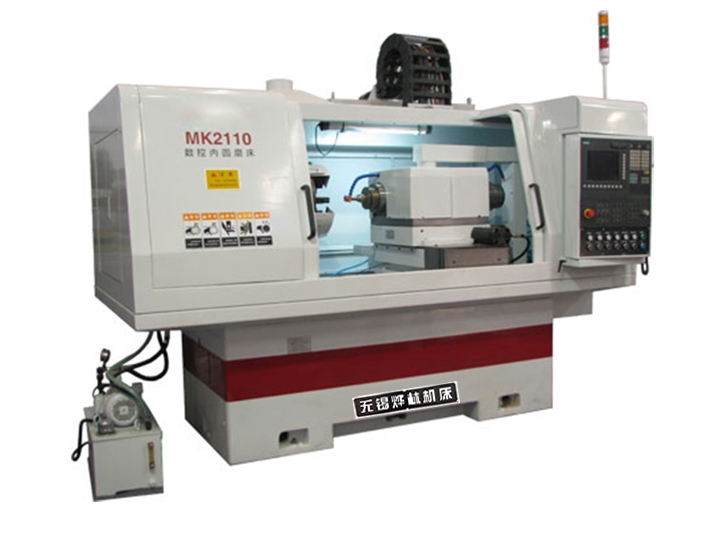
A cylindrical grinding machine grinds the outside diameters of round workpieces — shafts, rolls, spindles, axles, piston rods — to tolerances that turning cannot reach. It is the machine behind bearing journals, hydraulic rods, motor shafts, and every ground OD in industry.
The process looks straightforward: the workpiece rotates between centers, a grinding wheel spins against it, and the wheel feeds in microns at a time. The engineering that makes it hold roundness to 0.002 mm is anything but simple. Here is what matters.
How OD Grinding Works
The workpiece rotates slowly — typically 30–200 rpm depending on diameter — while the grinding wheel runs at 30–45 m/s. The relative speeds produce the cutting action: the abrasive grains shear chips of metal a fraction of a micron thick.
Four elements decide the result:
- Workhead — drives the workpiece between centers or in a chuck; live and dead centers, with the dead center option for the highest roundness.
- Wheel head — carries the grinding spindle; rigidity here is everything, since deflection shows up directly as roundness error.
- Table — moves the workpiece past the wheel for traverse grinding, or holds it still for plunge grinding.
- Tailstock — supports the far end of the shaft; a worn tailstock center ruins concentricity faster than any other component.
Plain vs. Universal Cylindrical Grinders
|
Feature |
Plain (production) |
Universal |
|
Workhead |
Fixed, between centers |
Swiveling, with internal grinding spindle |
|
Internal grinding |
No |
Yes |
|
Taper grinding |
Via table swivel |
Via table and workhead swivel |
|
Typical use |
Batch grinding of similar shafts |
Toolroom, repair, mixed jobs |
|
Rigidity |
Highest |
Slightly less due to moving parts |
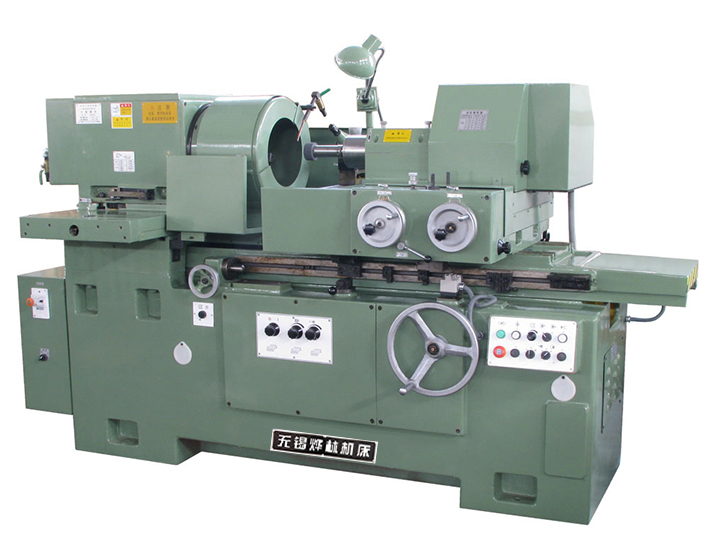
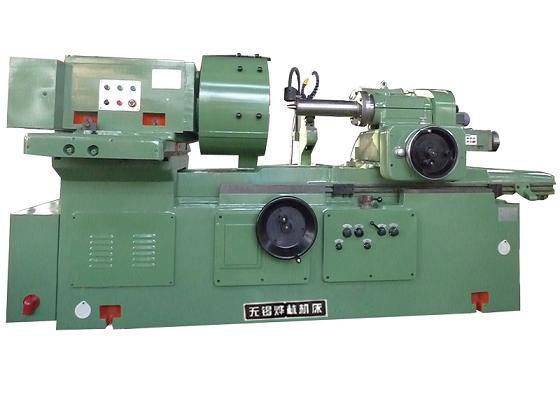
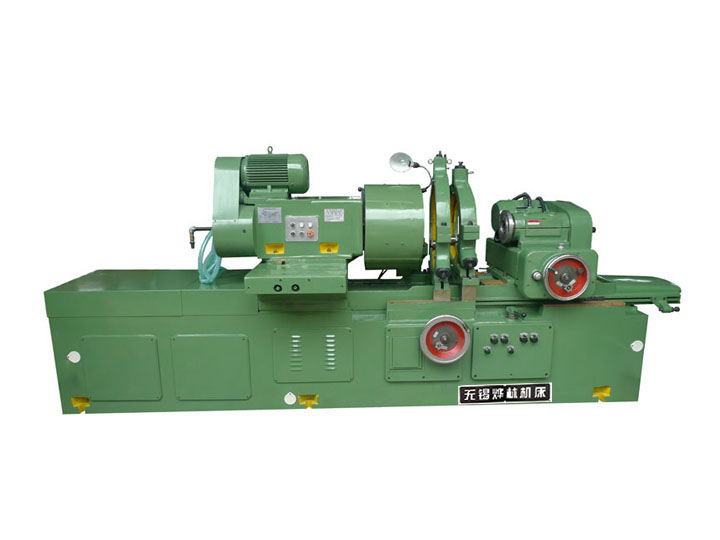
The MW1432B universal
cylindrical grinder is a good example of the second category: it combines a manually operated, electrically and hydraulically controlled machine with the rigidity to grind both OD and ID on one setup. A shop grinding varied shafts, spindles, and repair jobs gets more from a universal machine; a shop running one shaft family day and night should buy the plain production type.
What Accuracy Can You Actually Hold?
With a rigid machine, a balanced wheel, and correct dressing:
- Roundness — 0.002 mm on a good machine, 0.003–0.005 mm in normal production.
- Cylindricity — 0.003 mm over the grinding length on a stiff bed.
- Surface finish — Ra 0.2–0.4 μm in production, Ra 0.1 μm with fine wheels and spark-out.
- Size control — ±0.005 mm with manual gauging; tighter with in-process measurement.
These numbers assume one thing: the machine is properly maintained and the wheel is dressed correctly. Most "accuracy problems" in OD grinding trace back to a dull wheel or a loose tailstock, not the machine itself.
Traverse vs. Plunge Grinding
- Traverse grinding — the table moves the workpiece past the wheel; the wheel feeds at each end. Best for long shafts and stepped parts with multiple diameters.
- Plunge grinding — the wheel feeds straight into the rotating workpiece without table travel. Fast and accurate for short diameters, especially when the wheel is dressed to a profile.
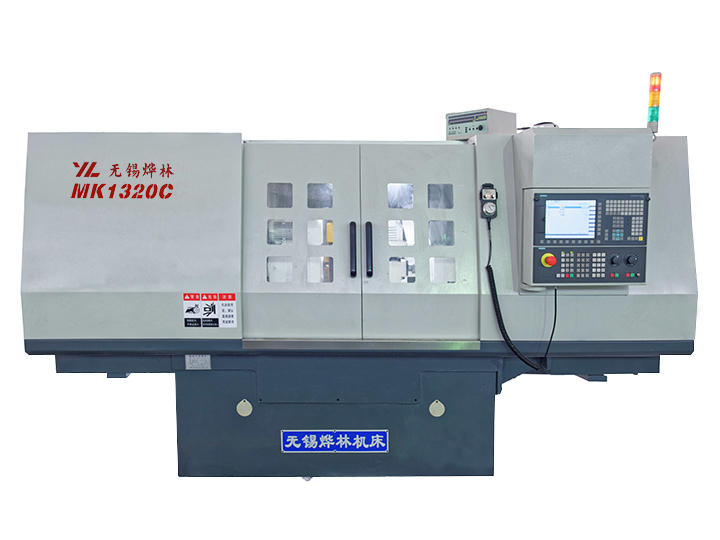
- Angular approach — the wheel head feeds at an angle, grinding the journal and its shoulder face in one plunge. This is how the MK1320C angular approach machine grinds shaft end faces and outer circles in a single operation, eliminating a second setup.
Buying Checklist
1. Max grinding diameter and length — match to your longest shaft, not your average one.
2. Wheel size and spindle power — bigger wheels grind longer between dressings; 7.5 kW and up for production steel work.
3. Feed resolution — 0.005 mm manual is fine for toolroom; CNC machines need 0.001 mm resolution and taper interpolation.
4. Center height and taper capacity — a swiveling table handles tapers up to about 8°; beyond that, dress the wheel to the taper angle.
5. Coolant system — full enclosure and magnetic separation are not optional for production finishes.
Common Questions
Q: Can a cylindrical grinder grind hardened parts?
A: Yes — that is its main job. Grinding is the standard finishing process for parts hardened to 55–65 HRC, where turning tools cannot cut economically.
Q: Between centers or in a chuck?
A: Between centers holds the highest roundness and concentricity for shafts with center holes. Chucking is faster for parts without centers, like short stepped spindles.
Q: What is the difference between cylindrical and centerless grinding?
A: Cylindrical grinding holds the workpiece between centers or in a chuck; centerless grinding supports it between the grinding wheel and a regulating wheel. Centerless is faster for high volumes of plain cylindrical parts; cylindrical gives better control of concentricity and features like shoulders.
 English