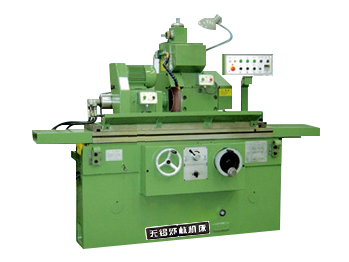
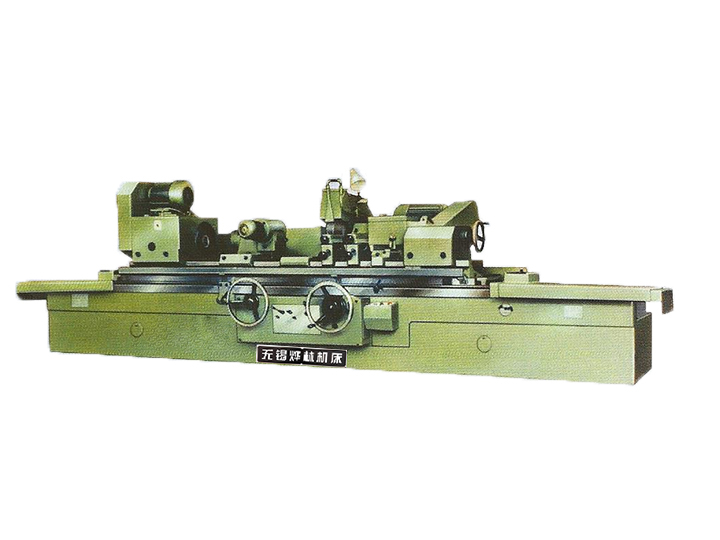
Face Grinders: Precision for Flat Surface Finishing
Release time:2026-05-25 Visits:585
1. Introduction
Flat surfaces are core features of many mechanical components, and their precision directly affects assembly accuracy and service life. Face grinders, as key finishing equipment, achieve high-precision flat surfaces (flatness ≤ 0.002 mm, Ra ≤ 0.04 μm) through precise grinding motion, meeting the strict requirements of modern manufacturing.
2. Structure and Working Principle
2.1 Core Components
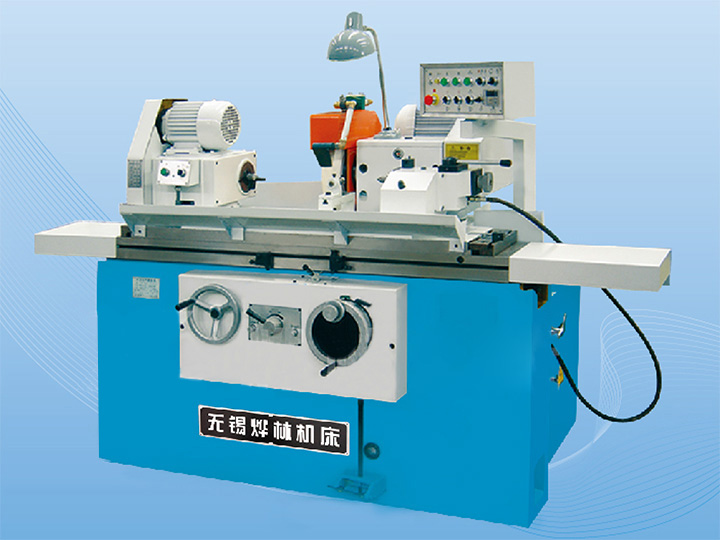
- Machine Base: High-rigidity cast iron/Granitan® with vibration-damping systems, ensuring stability.
- Spindle System: High-precision spindle with bearings, controlling runout ≤ 0.001 mm for stable grinding wheel rotation.
- Grinding Wheel: CBN/diamond superabrasives, with automatic dressing to maintain sharpness.
- Worktable & Feed System: Precision servo-driven worktable, feed accuracy ≤ 0.0005 mm.
- Cooling & Detection: High-pressure filtered cooling and online flatness detection for quality control.
2.2 Working Principle
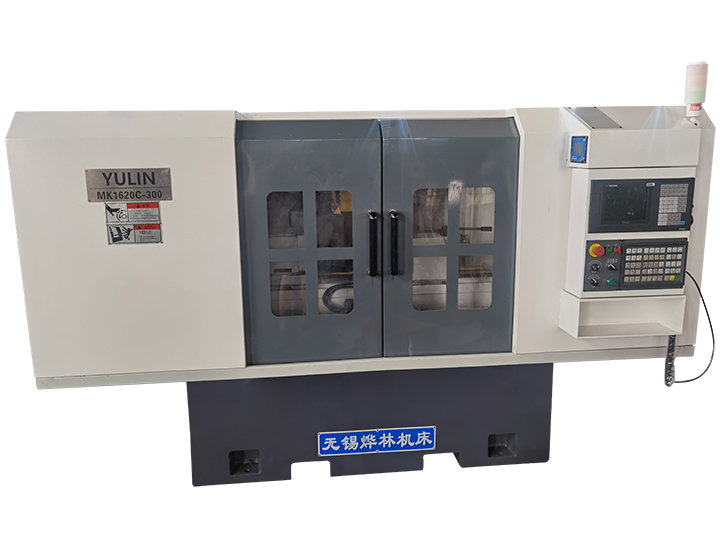
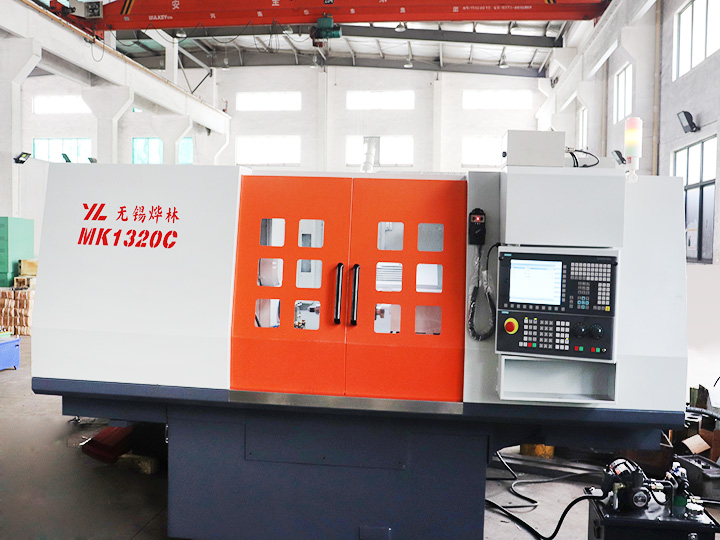
Face grinders use rotating grinding wheels to remove material from workpiece surfaces. The workpiece is clamped on the worktable, which moves linearly or rotationally to ensure uniform grinding. Key methods include horizontal (for large workpieces) and vertical (for small precision parts) grinding, with parameters like speed and feed directly affecting surface quality.
3. Classification and Key Characteristics
3.1 Classification
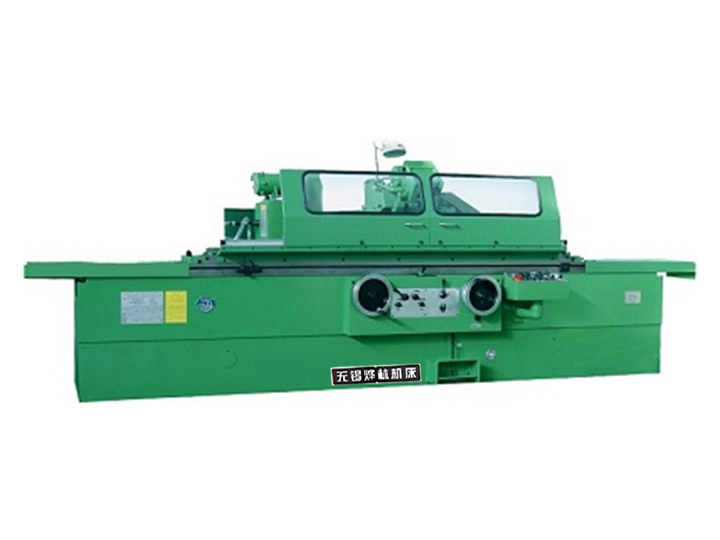
- By Structure: Horizontal (mainstream) and vertical face grinders.
- By Control: Manual, semi-automatic, and full-CNC (high-precision mass production).
- By Worktable: Rotating (high efficiency) and reciprocating (small workpieces) types.
3.2 Core Characteristics
- High Precision: Flatness ≤ 0.002 mm, Ra ≤ 0.04 μm, dimensional accuracy ±0.001 mm.
- Strong Adaptability: Processes various materials (alloy steel, cast iron, ceramics) and workpiece sizes.
- High Efficiency: Full-CNC models with automatic loading/unloading reduce processing time.
4. Key Parameters and Selection
4.1 Core Parameters
Parameter Category
Key Indicators
Reference Range
Processing Capacity
Max workpiece size, weight
Size: φ50–φ1200 mm; Weight: 50–1000 kg
Grinding Precision
Flatness, Ra, dimensional accuracy
Flatness ≤0.002 mm, Ra ≤0.04 μm
Spindle & Feed
Spindle speed, feed rate
Spindle: 1000–6000 rpm; Feed: 0.001–0.1 mm/min
4.2 Selection Principles
Choose structure based on workpiece size, control mode by production scale, and grinding wheel by material hardness to meet precision requirements.
5. Industrial Applications
Widely used in automotive (engine parts, brake discs), aerospace (precision components), machinery (bearings, gears), and electronic industries, as well as precision component repair.
6. Operation and Troubleshooting
6.1 Operation Tips
- Clamp firmly to avoid deformation; check workpiece surface before grinding.
- Adjust speed/feed based on material; regularly dress and balance the grinding wheel.
- Maintain cooling system and calibrate detection tools regularly.
6.2 Common Troubleshooting
Fault
Causes
Solutions
Poor flatness
Worktable deformation, unbalanced wheel
Calibrate worktable; balance grinding wheel
Surface scratches
Wheel clogging, coolant contamination
Dress wheel; replace coolant
7. Development Trends
Developing towards intelligence (AI, digital twin), higher precision, automation (integrated production lines), and greenization (energy-saving, dry grinding).
8. Conclusion
As essential precision finishing equipment, face grinders play a key role in modern manufacturing. Their continuous upgrading will better support high-quality development of related industries.
 English