Detailed Explanation of the Principle, Structure, and Processing Advantages of Plunge Cylindrical Grinders
Release time:2026-04-20 Visits:588
A plunge cylindrical grinder is a high-precision machine tool specially designed for efficient external cylindrical grinding, widely used in the mass production of short shaft workpieces. Its core working principle lies in the only performing continuous transverse feed along the radial direction of the workpiece without axial movement, thereby significantly shortening the processing cycle and improving production efficiency. This article will deeply analyze the structural characteristics, working process, and applicable scenarios of plunge cylindrical grinders.
1. Core Structure and Functions
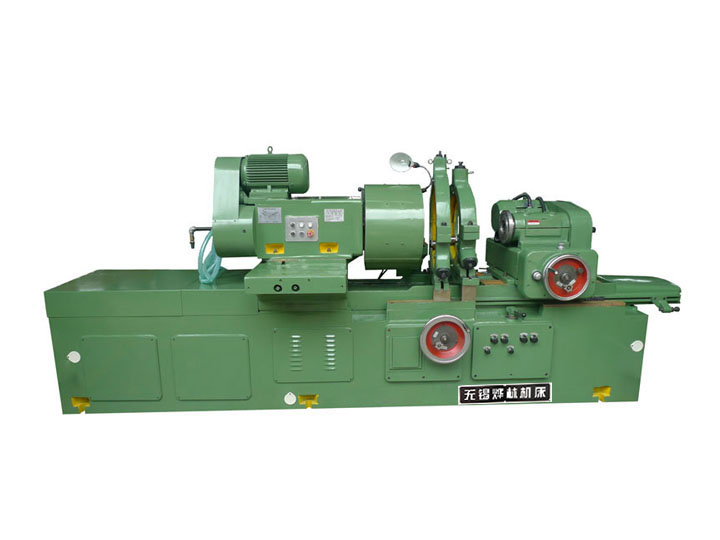
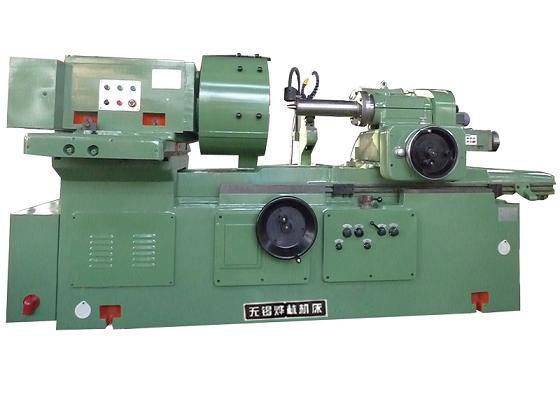
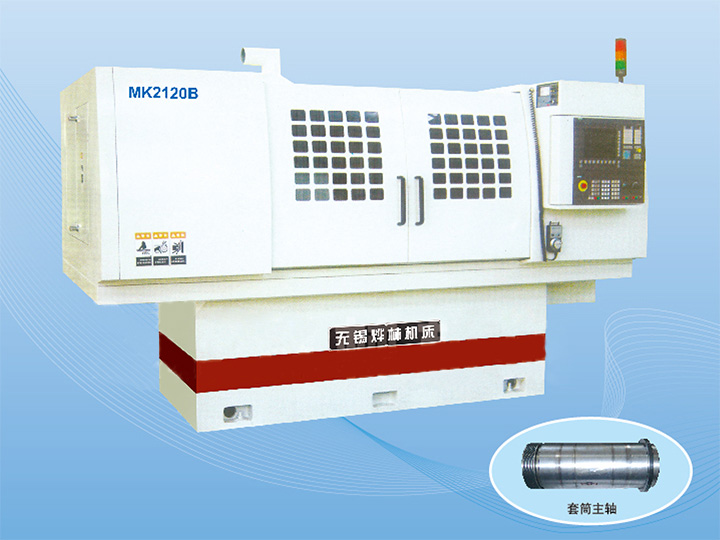
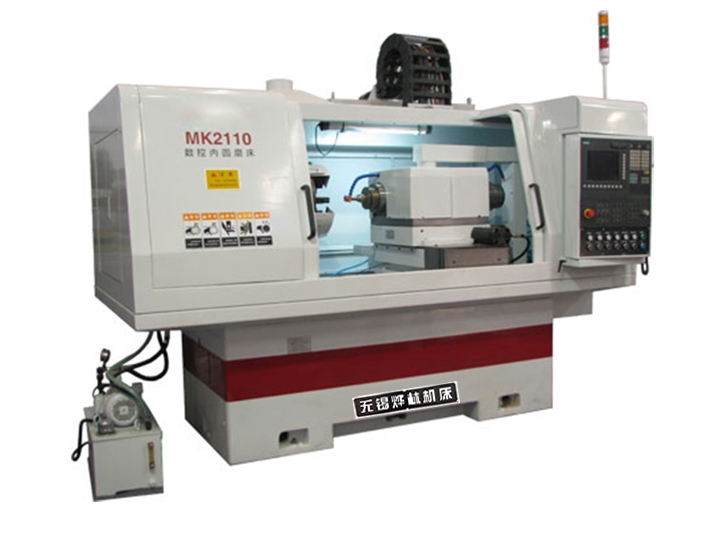
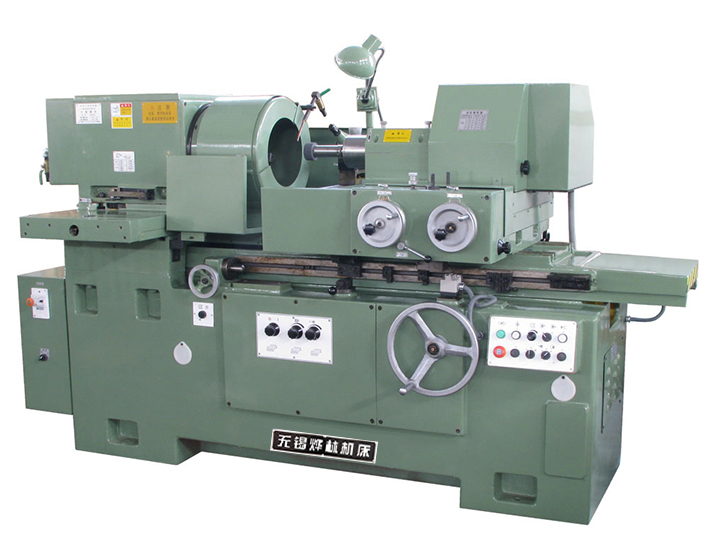
Plunge cylindrical grinders consist of key components such as the bed, wheel head, headstock, tailstock, and worktable. The bed, as the overall support base, is made of high-rigidity materials to ensure stability and vibration damping, providing a guarantee for precision grinding. The wheel head is responsible for mounting the grinding wheel and controlling its transverse feed movement, usually achieving micrometer-level precision adjustment through a numerical control system or mechanical transmission. The headstock drives the workpiece to rotate through a dial, realizing circumferential feed movement; the tailstock is used to support the end of the workpiece to ensure clamping stability.
2. Working Process and Precision Control
The workpiece is fixed between the headstock and tailstock and rotates continuously. The grinding wheel, while rotating at high speed, continuously feeds radially, and gradually removes the workpiece surface allowance through grinding action. Due to the simplified motion trajectory (only radial feed), the machine tool can significantly reduce idle stroke time, making it suitable for the rapid processing of parts such as short shafts, stepped shafts, and bearing rings. In terms of precision performance, plunge cylindrical grinders can typically achieve a roundness error of ≤ 2 microns and a surface roughness of Ra 0.63–0.32 microns, meeting the technical requirements of high-precision shaft parts.
3. Advantages and Applicable Scenarios
Compared with universal cylindrical grinders, plunge models have a simplified structure, lower cost, and faster cycle time, making them especially suitable for automotive parts, the bearing industry, and mass production scenarios. Typical processing objects include short shafts, pins, piston rods, and other cylindrical or conical workpieces with a length less than the width of the grinding wheel. However, the limitation of this machine tool is that it cannot handle long workpieces requiring axial movement or complex conical surfaces. Therefore, the type of equipment must be selected according to actual processing needs.
4. Summary
Plunge cylindrical grinders demonstrate extremely high efficiency and precision in the processing of short shaft parts through optimized motion logic and structural design. Enterprises can prioritize such equipment when mass-producing small and medium-sized shaft parts to reduce unit cost and increase production capacity. For further technical details or selection advice, professional machine tool suppliers can be consulted.
 English