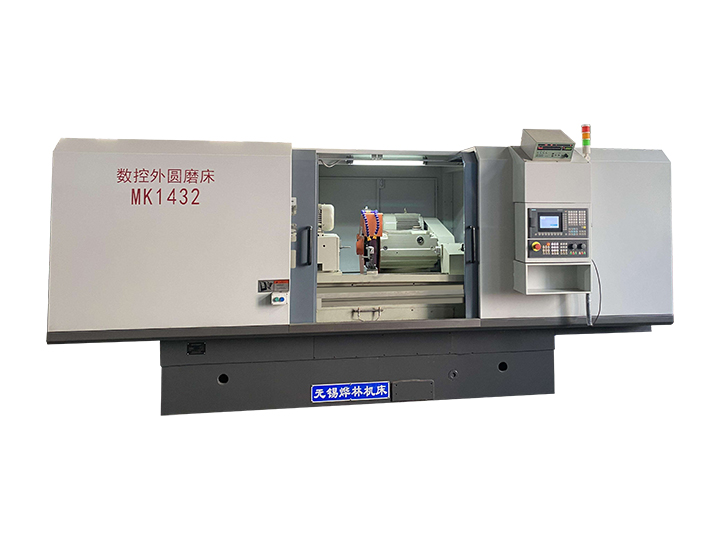
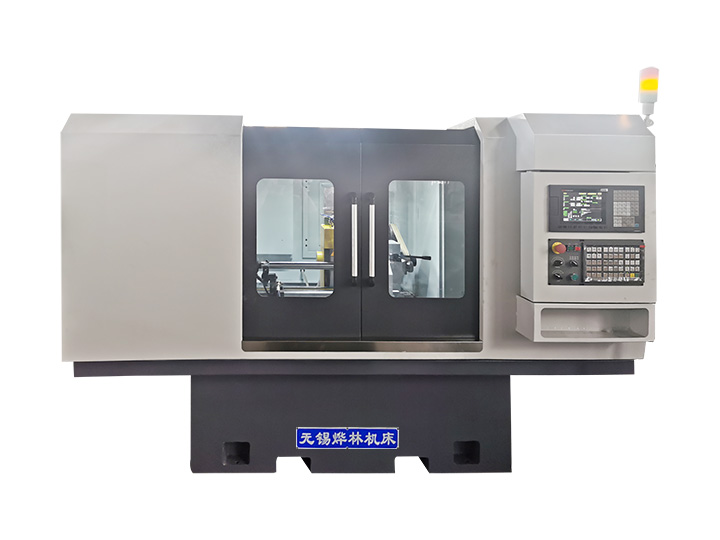
Face Cylindrical Grinder: Key Equipment and Application Guide for High-Precision Shaft Parts Machining
Release time:2026-04-17 Visits:603
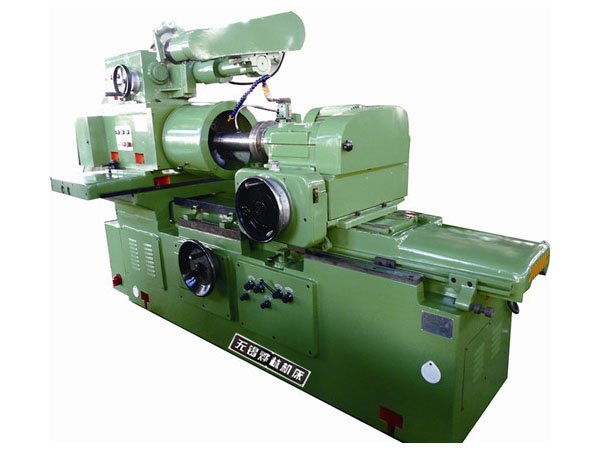
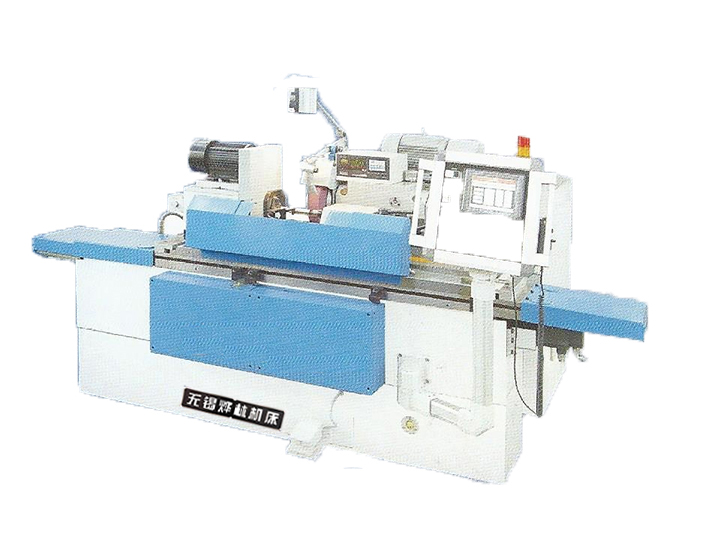
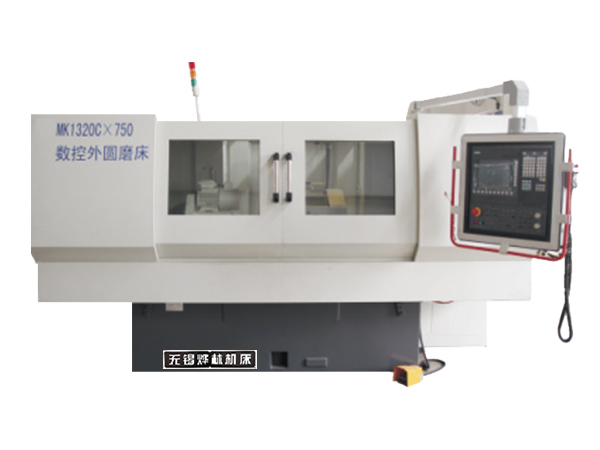
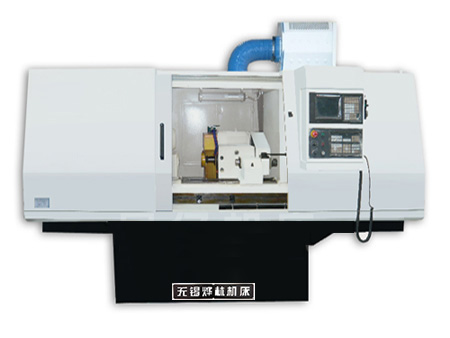
The face cylindrical grinder is a machine tool specialized for precision machining of shaft parts, capable of grinding outer cylindrical surfaces, conical surfaces, shaft shoulder end faces, and chamfers. This equipment is widely used in industries such as automotive engines, aerospace, precision machinery, and textile machinery, particularly suitable for mass production of high-precision shaft parts.
1. Core Structure and Technical Features
The face cylindrical grinder is mainly composed of core components including the bed, headstock, tailstock, wheelhead, transmission mechanism, and dust collection device. It exhibits significant high-precision grinding capability; ordinary models can achieve roundness ≤ 3μm and surface roughness Ra 0.63–0.32μm, while high-precision models can reach a roundness of 0.1μm and control the surface roughness Ra value to 0.01μm. Large-scale equipment often adopts a structural design with a fixed worktable and longitudinal feed of the wheelhead to reduce machine tool length and improve stability. CNC models support functions such as automatic dressing and compensation, automatic workpiece measurement, and multi-speed switching, greatly enhancing processing efficiency and consistency.
2. Functions and Application Range
In addition to basic outer cylindrical and conical surface grinding, this machine tool can achieve end face grinding and specific chamfering by adjusting the angles of the wheelhead and headstock. It is suitable for the following scenarios:
- Automotive manufacturing: Machining of high-precision components such as engine crankshafts and drive shafts;
- Aerospace: Key parts such as landing gear components and engine rotors;
- Precision machinery: Mass production of instrument shafts, guide pillars, and sleeves;
- Textile machinery: Precision machining of high-speed spindles and roller shafts.
3. Process Optimization and Countermeasures for Common Problems
The following process issues should be noted in actual operation:
1. Grinding amount control: Excessive grinding amount may cause workpiece bending, requiring phased processing;
2. Grinding wheel maintenance: Edge wear can easily cause deviations in shaft shoulder dimensions, necessitating regular dressing;
3. Center pressure and overtravel setting: Excessively tight centers or insufficient grinding wheel overtravel can lead to saddle-shaped grinding marks, requiring parameter adjustment;
4. Cutting fluid supply: Ensure adequate cutting fluid to cool and improve surface quality;
5. Parameter adjustment: Optimize feed rate, dwell time, and grinding wheel position based on materials and processing requirements.
4. Industry Advantages and Development Trends
Relying on high precision, high automation, and strong adaptability, the face cylindrical grinder has become a core equipment in high-end manufacturing. With the development of CNC technology, its integration and intelligence levels continue to improve. In the future, it will further evolve towards multi-axis linkage, online detection, and adaptive control to meet ultra-precision machining needs.
Through reasonable model selection and process optimization, the face
cylindrical grinder can significantly improve part processing quality and production efficiency, providing reliable technical support for the manufacturing industry.
 English