CNC Roll Grinder: In-depth Analysis of Core Equipment for High-Precision Manufacturing and Market Prospects
Release time:2026-04-06 Visits:569
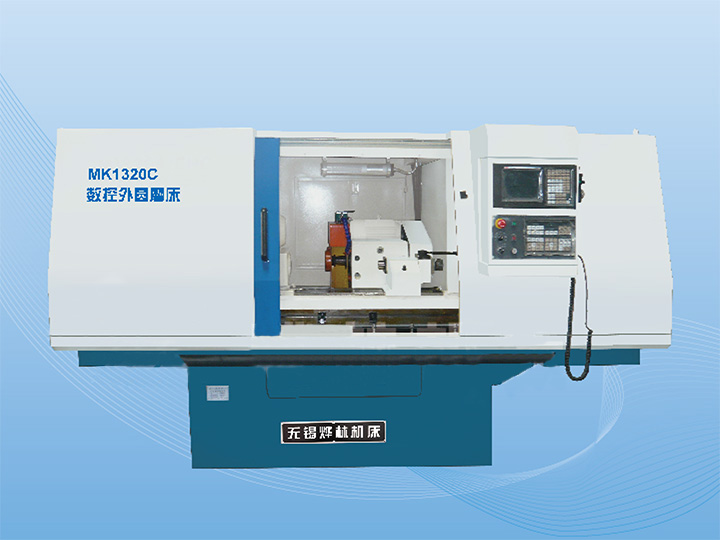
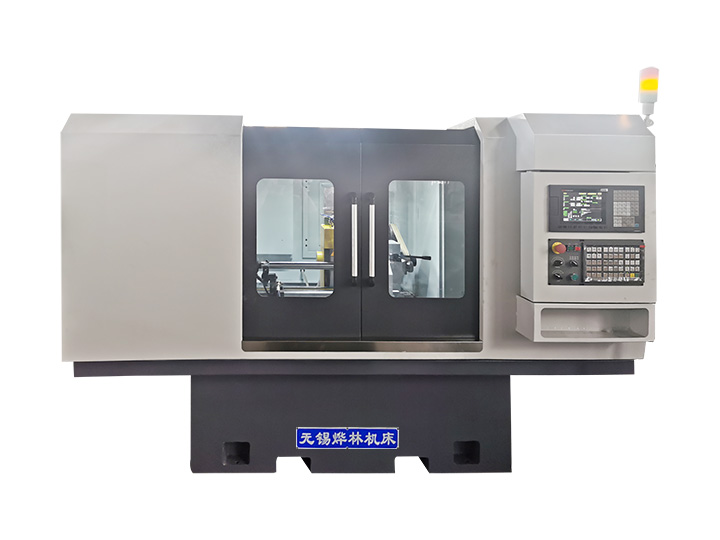
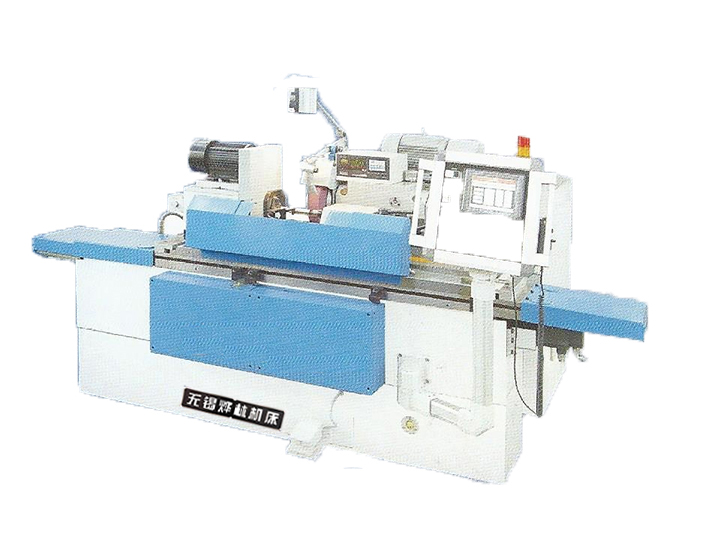
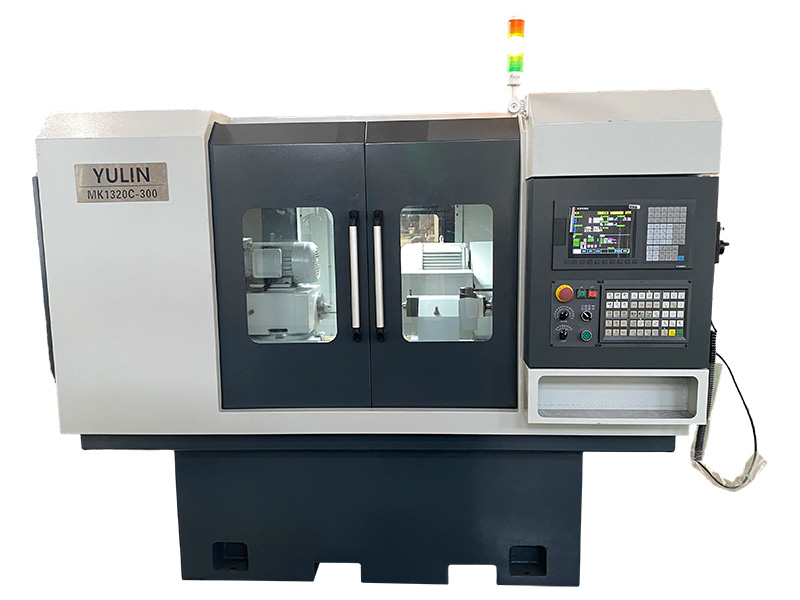
CNC roll grinder is a high-precision, high-efficiency machining equipment with extremely high technical complexity. It achieves precision grinding of workpieces through multi-axis compound motion and is a key equipment to ensure the quality of metal rolling products. With the improvement of industrial level, its market demand reached 411 units in 2023, a year-on-year increase of 12.9%, reflecting the strong development momentum of the industry.
I. Core Functions and Technical Composition
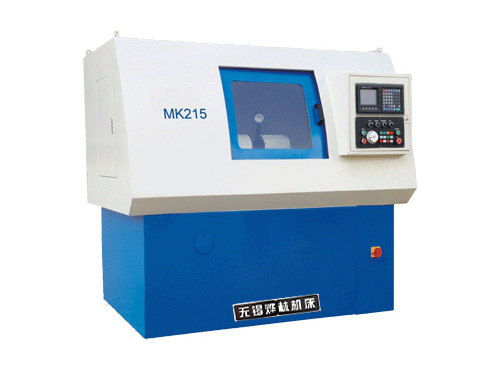
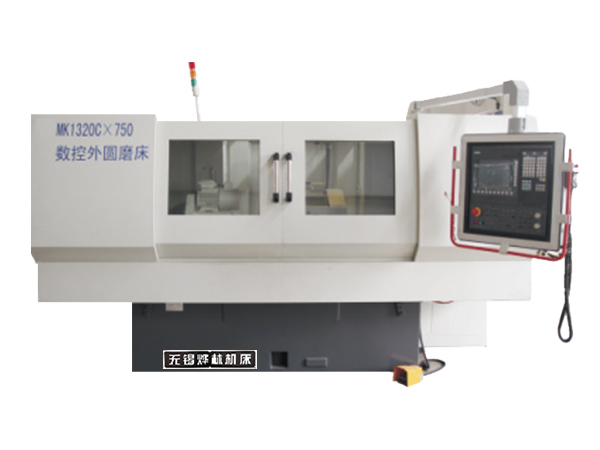
are mainly used to restore the geometric accuracy of rolls and process high-order curve roll surface generatrices that meet specific process requirements. The equipment consists of five core subsystems:
1. Bearing system (bed, headstock and tailstock)
2. Drive system (servo motor, hydraulic mechanism)
3. Grinding system (grinding wheel spindle, dressing device)
4. Measurement system (online real-time monitoring and feedback)
5. Control system (CNC system realizes multi-axis linkage and closed-loop control)
II. Industry Chain and Market Pattern
The upstream of the industry chain covers core components such as castings, precision parts, and CNC systems; the midstream is equipment manufacturing enterprises; the downstream is widely used in machinery equipment, automobiles, ships, home appliances and other fields. The current market competition presents a three-tier pattern:
- First tier: represented by German and Italian enterprises, mastering high-end technology and pricing power;
- Second tier: including some domestic leading enterprises and international mid-to-high-end brands, with technology gradually catching up;
- Third tier: manufacturers of low-end homogeneous products, with fierce competition but weak technology.
III. Industry Development Trends and Challenges
Domestic equipment is still in the stage of transforming to high-end, and needs to break through technical barriers (such as complex curve grinding technology, nanoscale precision control) and the bottleneck of relying on imports for core components. Future development directions include:
1. Intelligent upgrading: integrating AI process optimization and adaptive control systems;
2. High precision: achieving sub-micron level surface roughness and online measurement closed-loop control;
3. Customized solutions: developing special models for new materials (such as tungsten carbide rolls) and special process requirements.
The technological progress of CNC roll grinders directly promotes the improvement of product quality in metallurgy, non-ferrous metal processing and other industries, and is a strategic fulcrum for the development of high-end equipment manufacturing. With the acceleration of domestic substitution and increased policy support, the industry will continue to break through into high value-added fields.
 English