The Ultimate Guide to Mold Grinders: Types, Functions, and Applications
Release time:2026-03-06 Visits:528
Mold grinders are core equipment in the field of mold manufacturing and precision parts processing, specifically designed for high-precision grinding of high-hardness materials such as hardened steel to meet strict dimensional tolerances and excellent surface quality requirements. These machine tools are key process equipment ensuring the final precision and performance of molds.
There are various types of mold grinders, which can be divided into several important categories based on their processing objects and core functions.
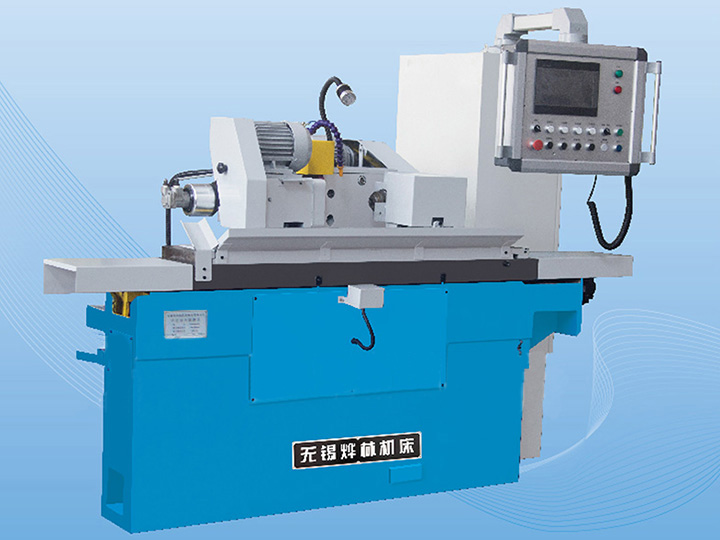
Surface grinders are mainly used for processing flat surfaces, grooves, steps and other features of molds. Among them, manual surface grinders are suitable for high-precision, small-sized workpieces and can handle various special-shaped surfaces including arc surfaces; while large gantry surface grinders are specifically designed for processing templates of large molds.
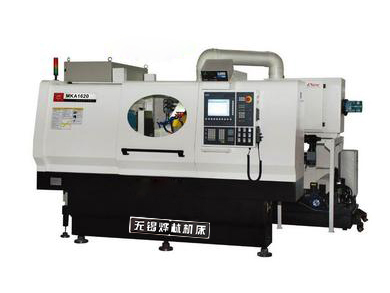
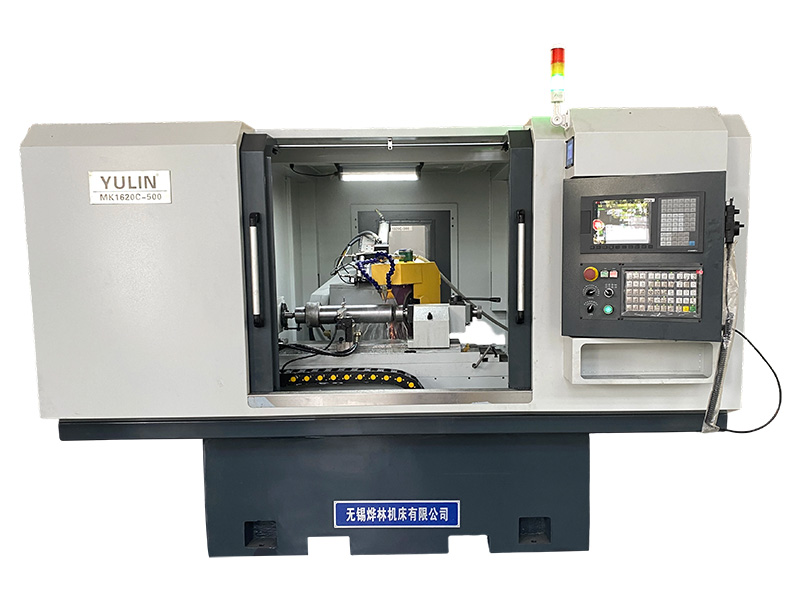
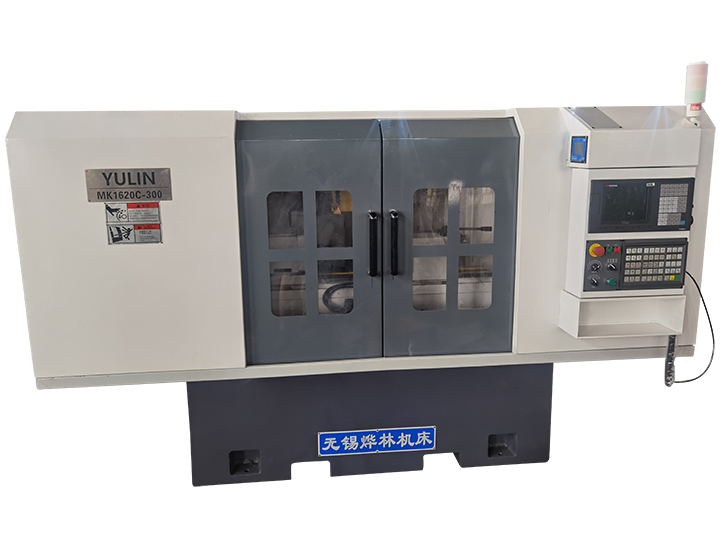
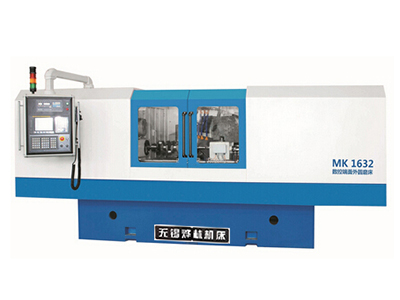
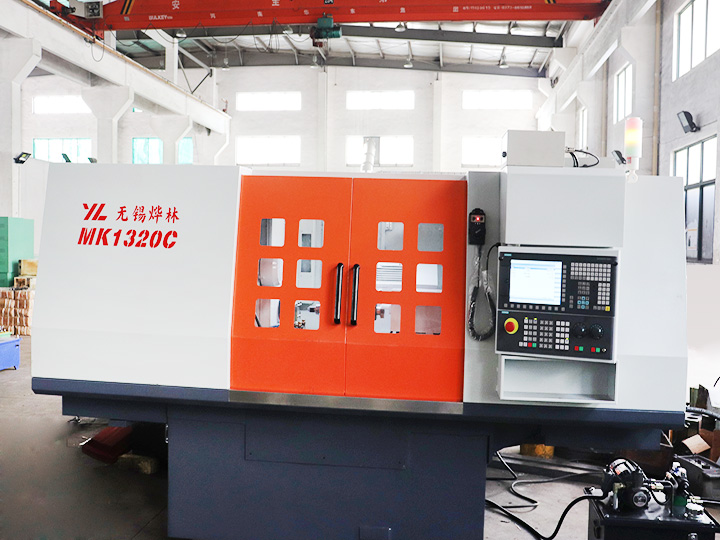
Cylindrical grinders (internal and external) are another major category, covering external cylindrical grinders, internal cylindrical grinders, and more versatile universal cylindrical grinders. Universal cylindrical grinders are particularly commonly used, integrating internal and external cylindrical grinding functions, enabling efficient processing of cylindrical surfaces, conical surfaces, inner holes, and stepped shaft shoulders, making them general main equipment in the mold industry.
For mold cavities and profiles with complex shapes, form
grinders are essential. Such machine tools usually include tool and cutter grinders, which can complete the grinding of closed contours composed of straight lines and arcs in a single clamping; optical profile grinders, which achieve precision profiling through optical projection systems; and CNC form grinders, which drive the path through digital control systems to efficiently and precisely complete the grinding of complex three-dimensional shapes.
Jig grinders represent ultra-high precision processing capability. Equipped with a precise coordinate positioning system, their core purpose is high-precision hole system processing, capable of grinding various precision round holes, taper holes, and hole systems with strict position tolerance requirements.
In addition, there are numerous special-purpose grinders for specific processes, such as thread grinders for processing precision threads, gear grinders for finishing gear tooth profiles, centerless grinders suitable for external cylindrical grinding of mass-produced shaft parts, and face grinders specialized for high-precision end face processing.
Thanks to these professional equipment, mold grinding processes can stably achieve extremely high quality standards, with dimensional tolerance grades typically controlled at IT5 to IT6, and surface roughness Ra values reaching an excellent level of 0.2 μm to 0.8 μm. This makes grinding a core determining the final quality of molds.
 English