Guide to Rotary Surface Grinders: High-Precision Surface Grinding Technology, Applications, and Selection
Release time:2026-02-23 Visits:632
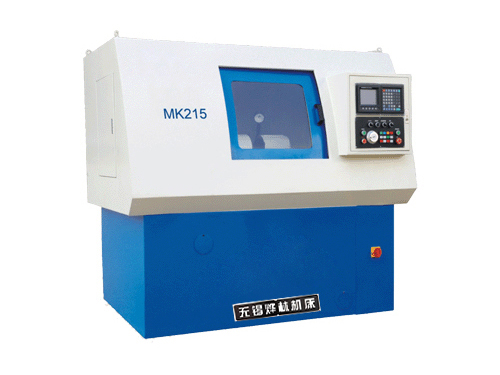
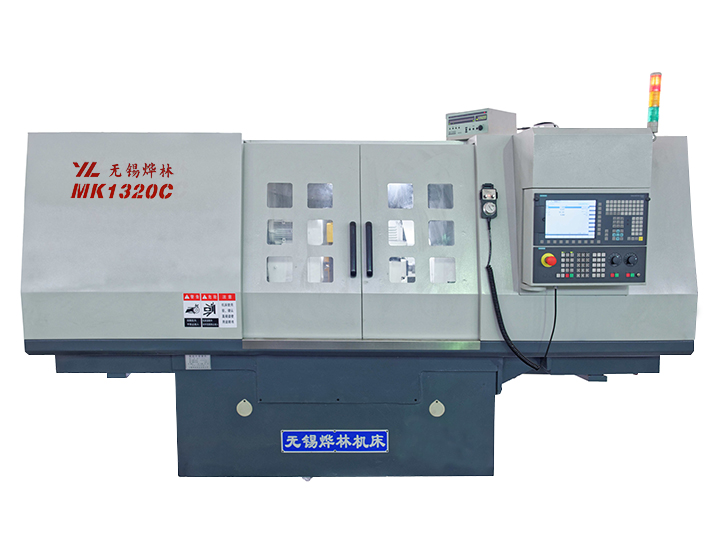
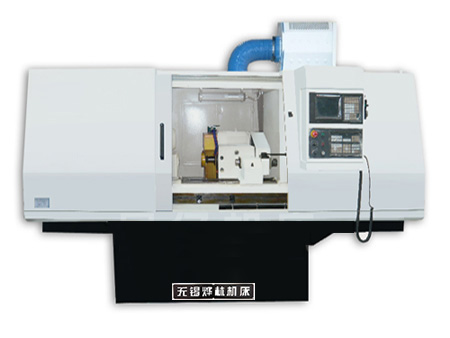
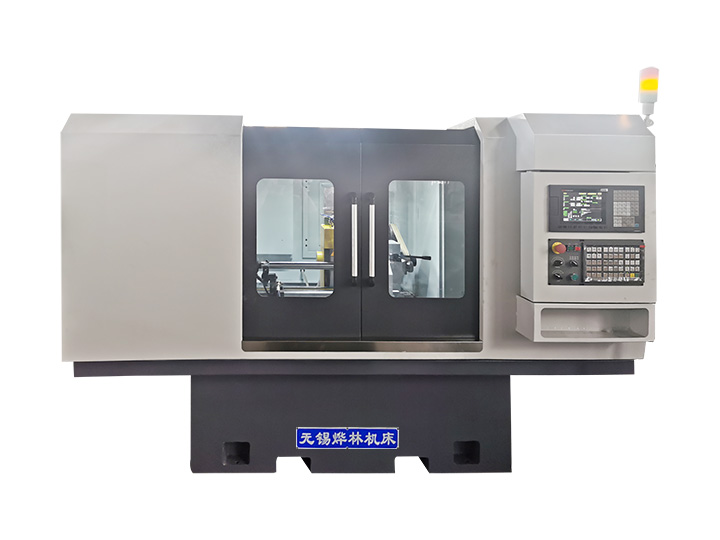
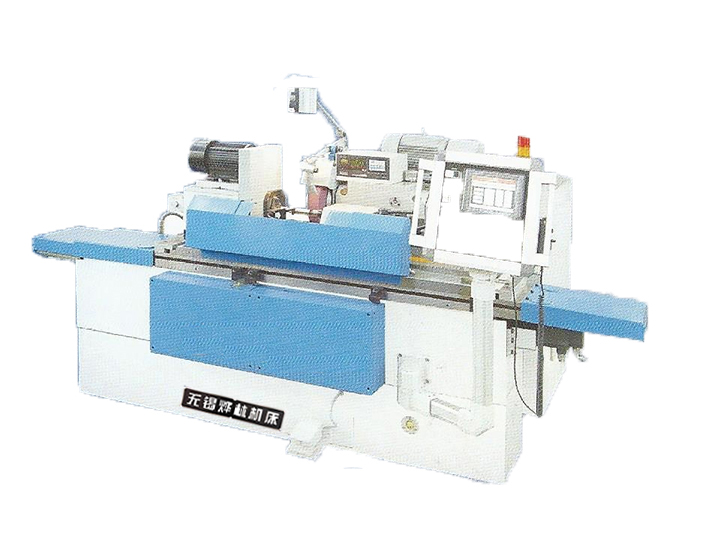
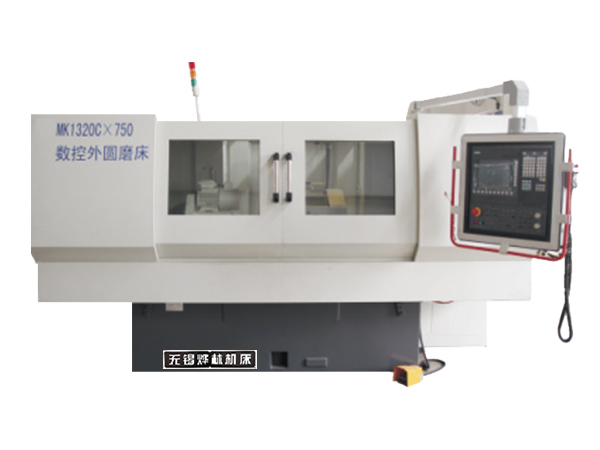
A rotary surface grinder is a precision flat-surface machining tool with a continuously rotating circular worktable as its core structure, widely used for high-precision end-face grinding. Its layout is mainly divided into vertical-axis and horizontal-axis types, suitable for mass production of disc, ring, and thin-plate parts, featuring both high efficiency and high precision.
In terms of technical performance, modern rotary surface grinders are typically equipped with precision spindle units, achieving rotational accuracy at the micrometer level, with some high-precision models reaching 0.0015 mm. Combined with hydrostatic/dynamic pressure guideways or precision ball screw drive systems, the machine tools can achieve micrometer or even sub-micrometer feed resolution, ensuring workpiece machining flatness is controlled within 0.002 mm/1000 mm and surface roughness up to Ra 0.1 μm. To maintain machining stability, high-end rotary surface grinders often integrate constant temperature cooling and thermal deformation compensation technologies, effectively suppressing thermal errors caused by prolonged machine operation.
Intelligence has become an important development direction for rotary surface grinders. Most modern models are equipped with numerical control systems, supporting multi-axis linkage and automatic optimization of process parameters. Intelligent monitoring systems can real-time collect operational data such as vibration and temperature to enable predictive maintenance, significantly reducing the risk of unplanned downtime and improving production continuity.
Rotary surface
grinders play a key role in multiple industrial fields. They are particularly suitable for automotive manufacturing, aerospace, precision mold, and hardware tool industries. Typical machined parts include new energy vehicle motor housings, aeroengine blades, precision bearing rings, and various stamping thin plates.
Selecting a rotary surface grinder requires comprehensive consideration of multiple factors. Machining accuracy, production efficiency, equipment stability, and intelligence level are core evaluation indicators. Meanwhile, enterprises need to choose appropriately sized machine tools based on their own machining material characteristics, production batch, and budget range. Common specifications include worktable diameter, spindle power, and grinding head type; different configurations can meet diverse needs from general-purpose machining to specialized production.
Currently, there are numerous rotary surface grinder manufacturers in the market, with different types of suppliers offering diverse solutions. Some enterprises focus on large-scale equipment, suitable for high-end fields such as aerospace; some companies excel in numerical control technology and automation systems, particularly suitable for new energy vehicle parts manufacturing; others specialize in modular design and IoT integration, helping users improve the efficiency of multi-variety, small-batch production. Additionally, some enterprises focus on economical and practical equipment to meet the needs of small and medium-scale production scenarios.
In summary, as a key equipment in precision manufacturing, the selection of rotary surface grinders should be based on actual production requirements, integrating technical capabilities and cost factors to achieve high-quality, stable, and efficient grinding processes.
 English