The Ultimate Guide to Grinding: A Comprehensive Analysis of Principles, Types, and Applications
Release time:2026-02-13 Visits:619
Grinding is a core process in modern manufacturing for achieving high precision and surface quality. It performs micro-cutting on the workpiece surface using a high-speed rotating grinding wheel, suitable for precision machining of various materials, especially high-hardness workpieces.
Core Principles of Grinding
The essence of grinding is the combined action of numerous tiny abrasive grains cutting, scratching, and sliding against the workpiece surface. Its characteristics include:
- Micro-cutting: Single cutting depth can reach the micrometer level, suitable for precision machining.
- High-speed machining: Grinding wheel linear speed usually exceeds 30 meters per second, enabling efficient material removal.
- Multi-edge cutting: The grinding wheel consists of tens of thousands of super-hard abrasive grains (such as alumina and silicon carbide), each acting as an independent cutting edge.
Main Processing Types and Applications
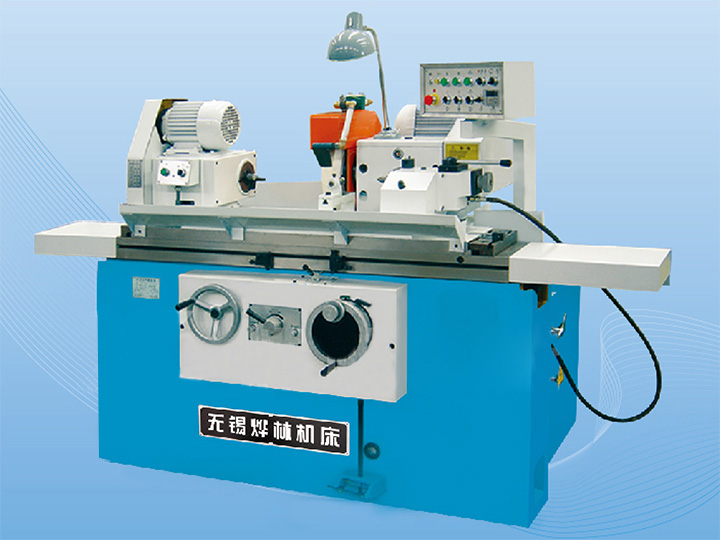
1. External Cylindrical Grinding
Used for machining outer circles of shaft parts, divided into longitudinal grinding (high precision) and plunge grinding (high efficiency).
Focuses on machining hole workpieces, requiring small-diameter grinding wheels and increased rotational speed to ensure cutting efficiency.
3. Surface Grinding
Machines flat surfaces using the grinding wheel end face or outer circle; peripheral grinding offers high precision, while face grinding provides outstanding efficiency.
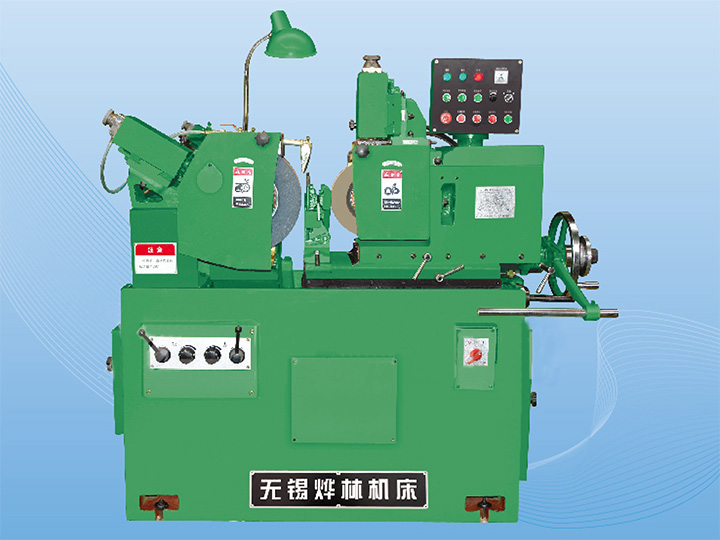
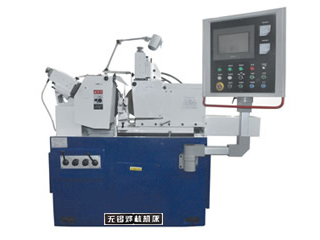
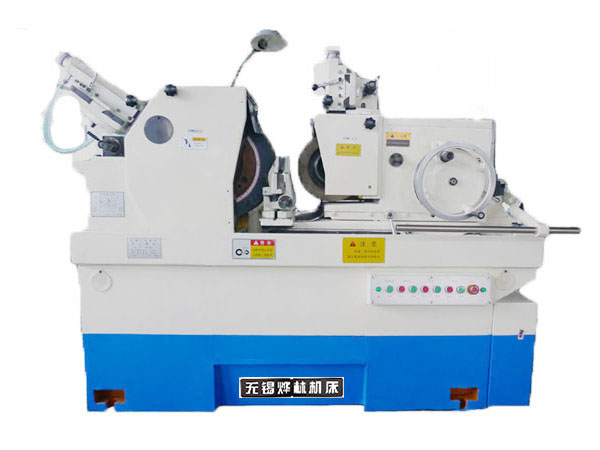
4. Centerless Grinding
Workpiece is held without central clamping, with feed controlled by a regulating wheel, suitable for mass production of small parts (e.g., bearing rollers).
5. Form Grinding
The grinding wheel is dressed into a specific profile to directly machine complex contours (e.g., gears, threads).
Key Factors in Grinding Wheel Selection
Grinding wheel performance is determined by five major parameters:
- Abrasive Type: Corundum series (steel), silicon carbide (cast iron/ceramics), super-hard abrasives (diamond/CBN for cemented carbide).
- Grain Size: Coarse grain size (rough grinding), fine grain size (finish grinding).
- Bond: Ceramic (general purpose), resin (high speed), rubber (thin grinding wheels).
- Hardness Grade: Soft wheels for hard materials, hard wheels for soft materials.
- Structure Density: Porous structure facilitates chip removal (rough grinding), dense structure improves precision (finish grinding).
Process Advantages and Challenges
Advantages:
- Dimensional accuracy up to IT5 grade, surface roughness Ra value can be below 0.01μm.
- Capable of processing materials that traditional cutting tools cannot handle, such as hardened steel and cemented carbide.
Challenges:
- Grinding heat easily causes workpiece burning, requiring grinding fluid for cooling.
- Grinding wheels need regular dressing to maintain cutting ability, increasing operation and maintenance costs.
Technological Development Trends
Modern grinding technology is developing towards high speed and intelligence:
- High-speed Grinding: Linear speed exceeding 45 meters per second, improving efficiency while reducing thermal impact.
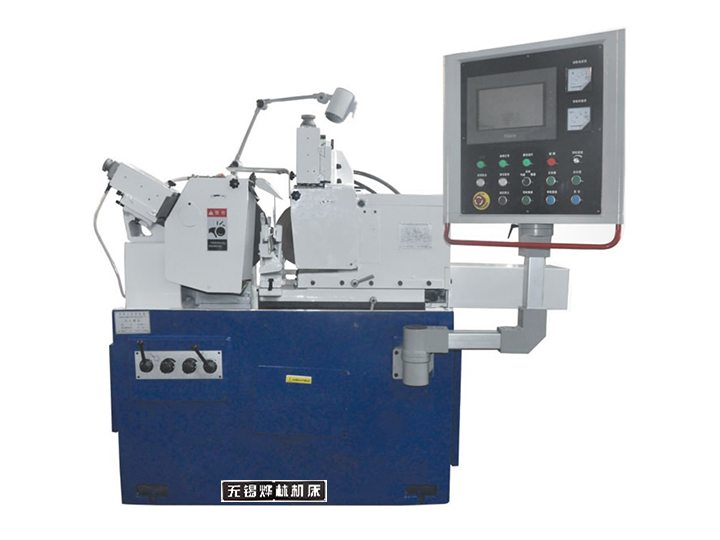
- Numerical Control: CNC grinders achieve high-consistency machining of complex profiles.
- Green Manufacturing: Minimal quantity lubrication technology reduces coolant usage and environmental impact.
Grinding is the final critical process in precision manufacturing, relied upon for achieving ultimate precision from automobile crankshafts to optical lenses. Correct selection of grinding wheel parameters and process methods can balance efficiency and quality requirements.
 English