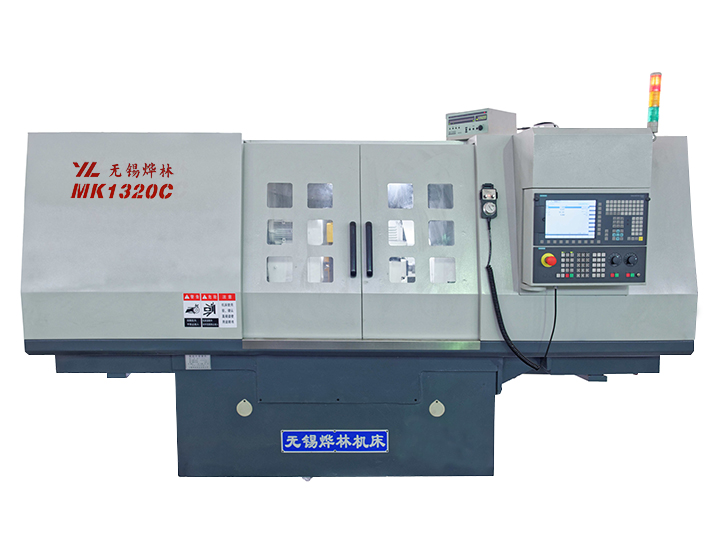
The Ultimate Guide to Honing Machines: Principles, Applications, and Advanced Technology Analysis
Release time:2026-01-09 Visits:666
Honing machines are core equipment in the field of precision manufacturing, specifically designed for ultra-finishing the inner hole surfaces of workpieces. Through their unique combined rotary and reciprocating motion, coupled with the micro-cutting and plastic deformation effects of abrasive grains, they significantly enhance the geometric accuracy, surface quality, and wear resistance of workpieces. This technology not only achieves micron-level machining precision but also forms a distinctive cross-hatch plateau structure, effectively improving the storage and distribution of lubricating oil and extending the service life of critical components.
In the modern industrial system, honing machines play an irreplaceable role. Their main application scenarios include:
1. Precision machining of engine cylinders
2. Ultra-finishing of hydraulic cylinder barrels
3. Machining of high-precision bearing holes
4. Final machining of precision hole systems in aerospace
With technological evolution, honing processes have developed various advanced forms:
• Plateau honing: Forms ideal oil-storing surface textures
• Ultrasonic honing: Suitable for machining high-hardness materials
• High-force honing: Enhances material removal efficiency
• Laser honing: Enables non-contact precision machining
Modern honing equipment integrates three core systems:
1. Precision transmission system: Ensures machining motion accuracy
2. Intelligent control system: Achieves precise parameter regulation
3. High-precision detection device: Guarantees machining quality stability
The successful application of honing technology requires focusing on the following key factors:
- Matching of workpiece material characteristics
- Bore diameter size and precision requirements
- Selection of abrasive type and grit size
- Optimal configuration of cutting parameters
- Adaptation of coolant performance
In high-end manufacturing fields such as automotive manufacturing, aerospace, and hydraulic systems, the honing process provides important support for the technological progress of the entire industry by improving the surface integrity and functional performance of critical components. The micro-geometric features formed during its machining process not only improve fitting accuracy but also significantly enhance the service performance and reliability of parts.
When selecting a honing solution, it is necessary to comprehensively consider the material characteristics, precision indicators, and production requirements of the machining object. Through scientific optimization of process parameters, the maximum benefits of this precision machining technology can be fully realized. With the advancement of intelligent manufacturing, honing technology is continuously developing towards higher precision, higher efficiency, and greater intelligence.
 English