Comprehensive Analysis of Internal Grinders: Working Principles, Core Advantages and Application Fields
Release time:2025-12-19 Visits:712
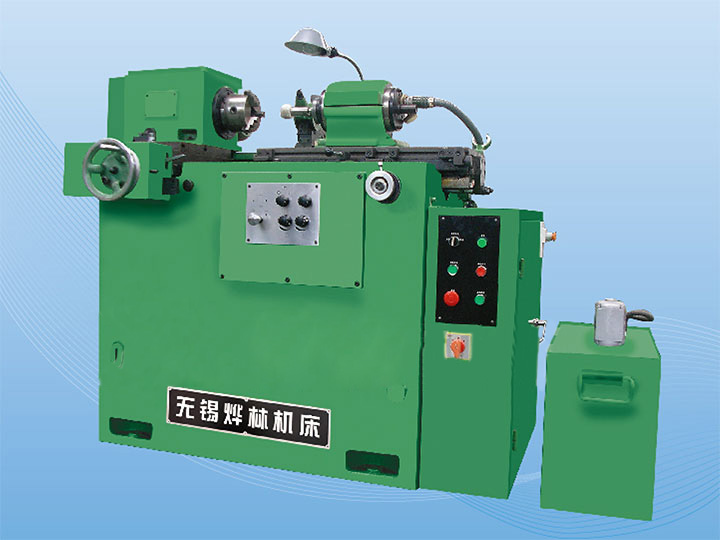
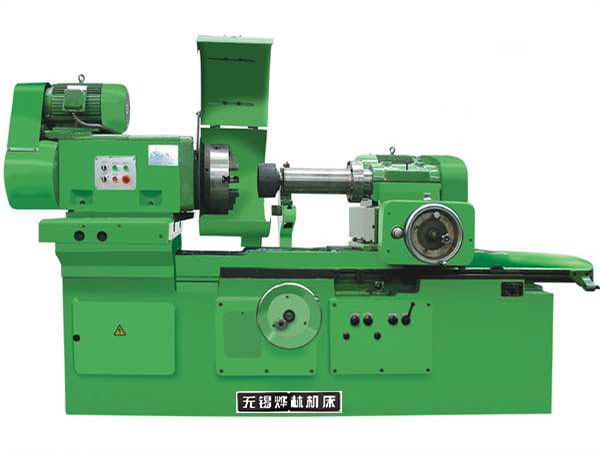
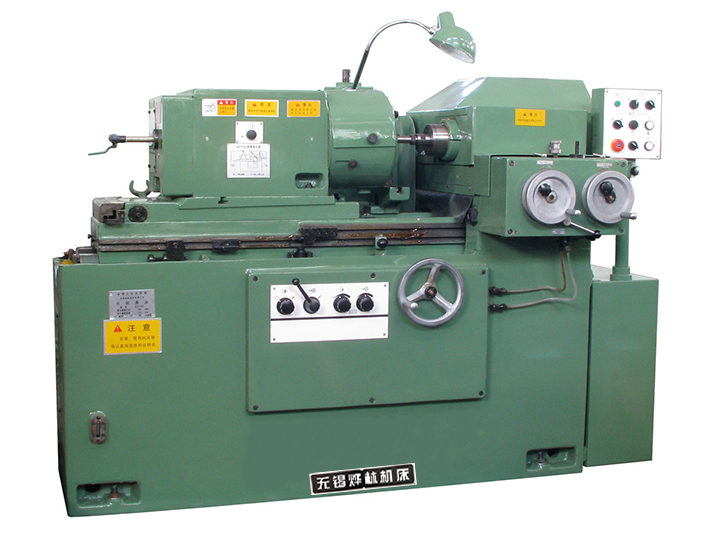
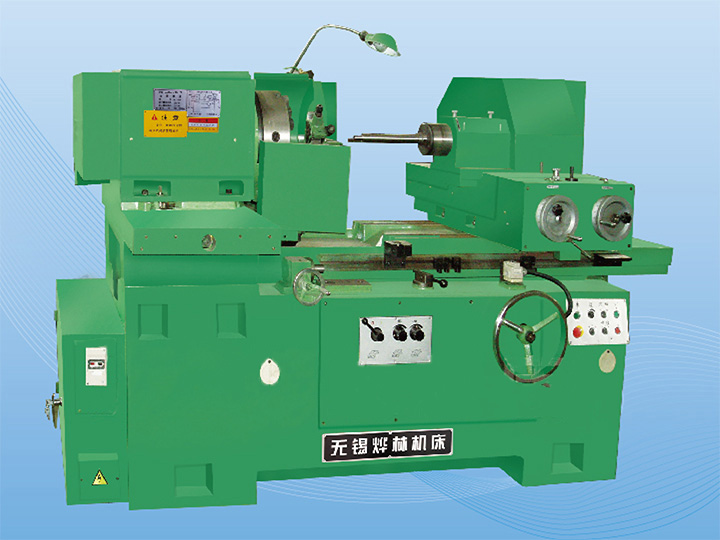
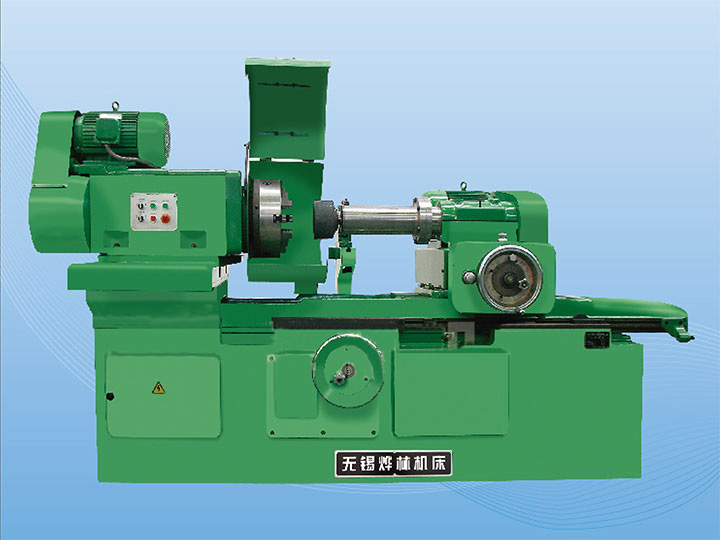
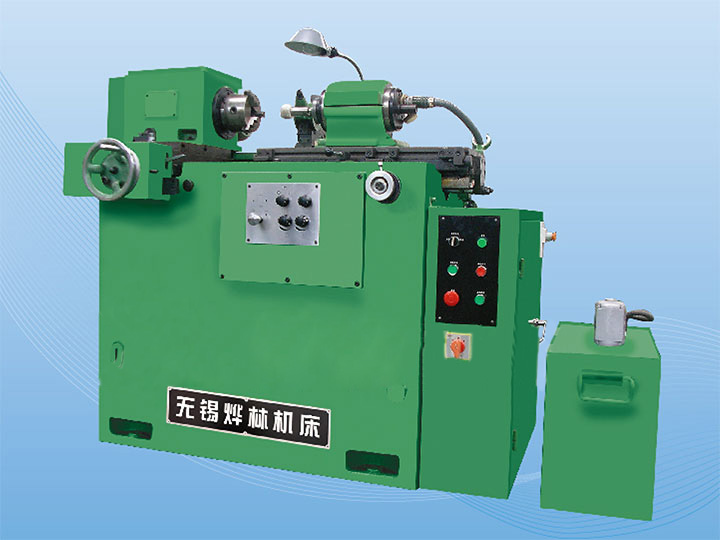
An internal grinder is a high-precision machine tool specifically designed for precision grinding of the inner hole surfaces of workpieces. It performs micro-cutting on the inner surface of the workpiece through a high-speed rotating grinding wheel, achieving micron-level or even sub-micron-level dimensional accuracy and extremely low surface roughness. It is one of the core pieces of equipment in precision manufacturing.
I. Core Working Principles
Internal grinders utilize either a "planetary motion" or "reciprocating motion" mechanism for machining. They are mainly classified into two types based on motion:
1. Workpiece-moving type: The workpiece is driven by the spindle to rotate and perform axial reciprocating motion, while the grinding wheel only rotates at high speed and feeds radially. This is the most commonly used machining method.
2. Wheel-moving type: The workpiece remains stationary, and the grinding wheel performs planetary motion (revolution) around the centerline of the hole being machined while rotating on its own axis, along with axial feeding. It is suitable for large, heavy, or non-rotatable workpieces.
II. Key Components
A high-performance
internal grinder typically includes the following core components:
- Bed: A high-rigidity basic structure that ensures stability and vibration resistance during machining.
- Worktable: Used for clamping the workpiece and supporting precise longitudinal (Z-axis) and transverse (X-axis) movements.
- Headstock: Installs and drives the workpiece to rotate, with a high-precision spindle and adjustable speed.
- Wheel head: One of the core components, equipped with a high-frequency motorized spindle or aerostatic spindle, capable of speeds ranging from tens of thousands to hundreds of thousands of revolutions per minute.
- Control system: Modern equipment generally adopts a CNC system to realize automated machining, wheel dressing, and quality monitoring.
III. Core Advantages and Features
1. Ultra-high precision: Can achieve IT6-IT7 tolerance standards, with strong roundness and cylindricity control capabilities.
2. Excellent surface quality: Surface roughness Ra value can be less than 0.1μm, meeting high-demand scenarios such as optics and hydraulics.
3. Strong material adaptability: Can process high-hardness materials such as hardened steel and cemented carbide.
4. Complex shape machining: Combined with a CNC system, it supports precision grinding of tapered holes, stepped holes, and formed inner curved surfaces.
IV. Main Application Fields
Internal grinders are widely used in the following high-end manufacturing industries:
- Automotive industry: Machining of key components such as engine blocks, connecting rod holes, and transmission bearing holes.
- Hydraulic and pneumatic components: Precision inner hole grinding of hydraulic valve blocks, cylinders, and pump bodies.
- Bearing manufacturing: High-precision machining of bearing inner ring raceways.
- Aerospace: Ultra-high precision demand fields such as landing gear actuators and engine components.
- Mold industry: Precision mold cavities and complex inner curved surface machining.
V. Differences from Other Grinders
To clarify the positioning of internal grinders, it is necessary to compare common grinder types:
- Difference from cylindrical grinders: Cylindrical grinders focus on machining the outer surfaces of shaft parts, with the workpiece fixed via centers or chucks; internal grinders target inner hole machining, with grinding wheel size limited by the hole diameter.
- Difference from centerless grinders: Centerless grinders do not require central clamping, instead supporting the workpiece via a plate for external grinding, suitable for mass-produced small parts; internal grinders require workpiece clamping and handle internal structures.
VI. Technological Development Trends
Modern internal grinders are developing in the following directions:
- High-speed and high-efficiency: Adopting higher-speed spindles and powerful drive systems to improve efficiency.
- Intelligent integration: Incorporating online measurement, real-time compensation, and intelligent monitoring functions.
- Compound machining: Integrating internal, external, and end face grinding functions to enable complex parts to be completed in one clamping.
- Full automation: Building flexible manufacturing cells (FMC) through robotic loading and unloading systems to reduce manual intervention.
Summary
With its irreplaceable high-precision machining capability, the internal grinder has become an indispensable key equipment in high-end manufacturing. From automobile engines to aerospace precision components, its technological evolution continues to drive the improvement of industrial manufacturing levels.
 English