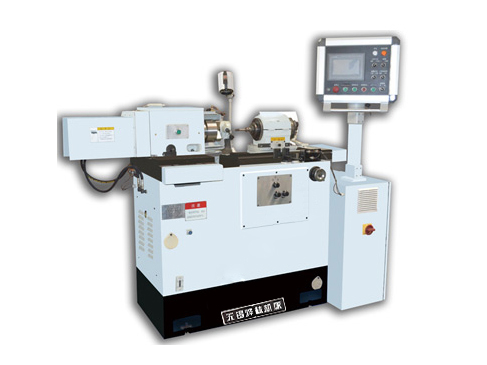
In modern manufacturing, efficiency is defined by more than just speed—it hinges on tolerance compliance, scrap reduction, process consolidation, and consistent output—all areas where precision grinding machines deliver transformative value. As industries like aerospace, automotive, and medical device manufacturing face escalating demands for miniaturized, high-performance components (with tolerances as tight as ±0.0005mm), precision grinders have evolved from “finishing tools” to core enablers of lean production. This article explores how specialized machines—such as CNC Internal Grinding Machines and Internal Diameter (ID) Grinders—drive efficiency by addressing key manufacturing pain points, and how their technical capabilities translate to measurable operational gains.
1. The Role of Precision Grinding in Manufacturing Efficiency
Precision grinding machines are specialized equipment designed to refine material surfaces and geometries to ultra-tight specifications, typically achieving surface roughness (Ra) as low as 0.025μm and dimensional tolerances of ±0.0001mm. Unlike conventional machining (e.g., milling, turning), which focuses on material removal, grinding delivers the “final finish” that ensures components fit, function, and endure in critical applications.
In efficiency terms, this means:
- Eliminating costly rework caused by out-of-tolerance parts (a common issue with less precise methods, where返工率 can reach 8–12%).
- Reducing the need for secondary finishing processes (e.g., polishing, lapping) by integrating precision into the grinding step.
- Enabling high-volume production without sacrificing quality—critical for industries like automotive, where millions of identical components (e.g., engine bearings) must meet uniform standards.
Not all precision grinders serve the same purpose—each is engineered to address specific workpiece geometries, and their efficiency gains are tied to their specialized capabilities. Below are the most impactful types and how they optimize manufacturing workflows:
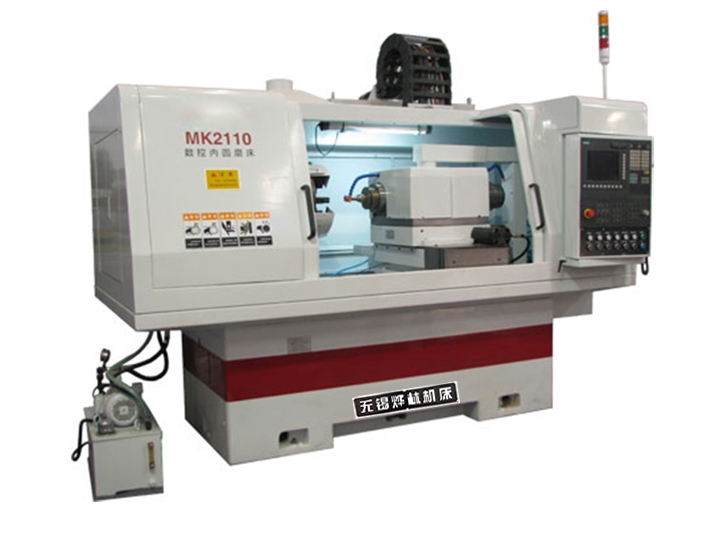
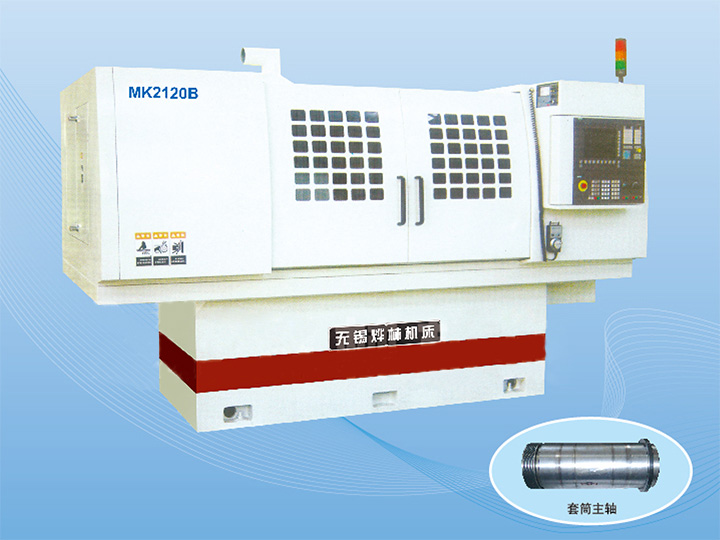
2.1 CNC Internal Diameter (ID) Grinding Machines
CNC ID Grinders are computer-controlled systems designed to grind the internal surfaces of cylindrical or hollow workpieces (e.g., bearing races, hydraulic cylinders, medical syringe barrels). Their efficiency advantages include:
- Automated Precision: CNC programming eliminates human error in feed rates (0.001–0.01mm/rev) and spindle speeds (5,000–20,000 RPM), ensuring repeatability of ±0.0005mm across thousands of parts.
- High-Volume Throughput: Integrated load/unload systems (e.g., robotic arms) enable 24/7 unattended operation, reducing cycle times by 30–40% compared to manual ID grinders.
- Complex Geometry Handling: 3–5 axis CNC control supports grinding of non-circular internal profiles (e.g., splines, tapers) in a single setup—eliminating the need for multiple machines and reducing workpiece handling time.
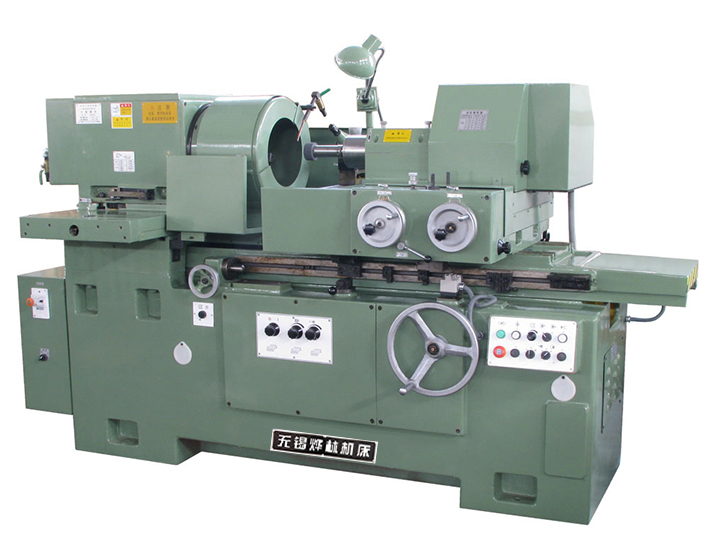
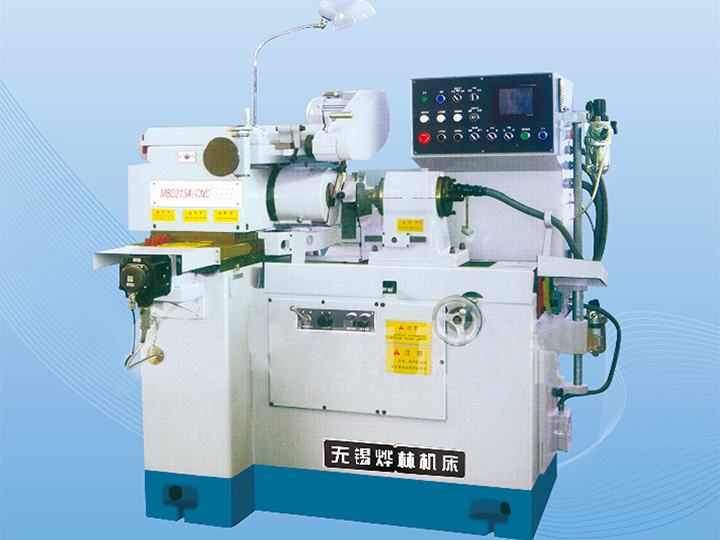
2.2 Internal Cylindrical Grinding Machines
These machines specialize in grinding the internal surfaces of long, cylindrical parts (e.g., automotive crankshaft oil passages, aerospace fuel injector bores). Their efficiency edge lies in:
- Deep-Hole Capability: Spindle extensions (up to 300mm) and high-pressure coolant systems (10–20 bar) enable consistent grinding of deep internal features without tool deflection—critical for avoiding scrap in hard-to-reach areas.
- Material Versatility: Compatible with high-hardness materials (e.g., tool steel HRC 58–62, titanium alloys) that resist conventional machining, reducing the need for specialized tooling and process adjustments.
2.3 Precision External Grinding Machines (Complementary Efficiency)
While not the focus of the original text, external grinders (e.g., CNC cylindrical grinders) complement internal grinding by handling external surfaces (e.g., shaft journals) in synchronized workflows. This “one-shop” grinding capability consolidates processes, cutting lead times by 25–30% compared to outsourcing external finishing.
3. Technical Advantages That Directly Boost Efficiency
The efficiency gains of precision grinders are rooted in four core technical capabilities—each addressing a distinct manufacturing inefficiency:
3.1 Ultra-Tight Tolerance Control = Minimal Scrap
Precision grinders use advanced feedback systems (e.g., in-process laser measurement, touch probes) to monitor workpiece dimensions in real time. If deviations exceed set tolerances, the machine automatically adjusts feed rates or spindle speed—reducing scrap rates from 5–8% (with conventional machining) to <2%. For high-value parts (e.g., aerospace turbine blades, $10,000+ each), this translates to six-figure annual savings.
3.2 Automation = Reduced Labor & Downtime
CNC-enabled precision grinders integrate seamlessly with lean manufacturing workflows:
- Unattended Operation: CNC programs run continuously, with automatic tool changes (for grinding wheels of different grits) and coolant level monitoring—cutting labor requirements by 50% (one operator can manage 2–3 machines).
- Quick Changeovers: Tool libraries and workpiece fixtures with quick-release clamps reduce setup time between batches from 60–90 minutes to 15–20 minutes—critical for high-mix, low-volume production (e.g., medical device prototypes).
3.3 Consistency = Predictable Production Scheduling
Unlike manual grinding, where operator skill impacts quality, precision grinders deliver identical results across every part. This consistency eliminates “quality bottlenecks” (e.g., sorting parts for tolerance compliance) and enables accurate production forecasting—reducing lead time variability by 40–50% and improving on-time delivery rates.
3.4 Multifunctionality = Fewer Machines, Lower Costs
Modern precision grinders (e.g., 5-axis CNC models) combine internal, external, and face grinding capabilities in a single unit. For a job shop producing hydraulic valves, this means replacing 2–3 dedicated machines with one grinder—cutting equipment capital costs by 30–40% and floor space usage by 50%.
4. Industry-Specific Efficiency Use Cases
The value of precision grinders varies by industry, but all share a common thread: solving unique efficiency pain points tied to component criticality.
4.1 Automotive: High-Volume, Zero-Defect Production
Automotive manufacturers rely on CNC ID Grinders to produce engine bearings (100,000+ units/year per line) with tolerances of ±0.001mm. The machines’ automated load/unload systems and 24/7 operation enable production cycles of 30–60 seconds per bearing—meeting demand while keeping scrap rates <1%. For electric vehicle (EV) motors, where bearing precision directly impacts battery efficiency, this reduces warranty claims by 20–25%.
4.2 Aerospace: Stringent Standards, Minimal Waste
Aerospace components (e.g., turbine blade root slots, fuel pump housings) require AS9100-compliant precision. CNC Internal Grinding Machines with in-process inspection ensure compliance without post-production testing—cutting quality control time by 30%. Additionally, their ability to grind titanium and Inconel (high-strength, difficult-to-machine alloys) eliminates the need for expensive specialty machining centers, reducing per-part costs by 15–20%.
4.3 Medical: Micro-Precision, Fast Prototyping
Medical device manufacturers (e.g., orthopedic implants, surgical tools) need components with micron-level precision (e.g., 0.0005mm tolerance for implant threads). Precision ID Grinders with micro-grinding capabilities (10–20μm grit wheels) deliver this accuracy while supporting quick prototyping—reducing time-to-market for new devices by 40–50% compared to traditional grinding methods.
5. Critical Considerations for Maximizing Efficiency When Selecting a Grinder
Choosing the right precision grinder is key to unlocking efficiency gains. Focus on these four factors to align the machine with your workflow:
5.1 Material Compatibility
Select a grinder with spindle power and wheel options matched to your materials:
- For hard metals (e.g., tool steel, ceramics): Choose a machine with high-torque spindles (5–15 HP) and diamond/CBN grinding wheels.
- For soft metals (e.g., aluminum, brass): Opt for lower spindle speeds (3,000–8,000 RPM) and aluminum oxide wheels to avoid material smearing.
5.2 Workpiece Geometry & Volume
- High-Volume, Simple Geometry (e.g., bearings): CNC ID Grinders with automated load/unload systems.
- Low-Volume, Complex Geometry (e.g., aerospace parts): 5-axis CNC grinders with quick-change fixtures.
5.3 Tolerance & Surface Finish Requirements
Match the machine’s measurement capabilities to your specs:
- For ±0.0005mm tolerances: Require in-process laser measurement.
- For Ra <0.1μm surface finish: Select machines with fine-grit wheel compatibility (≤320 grit) and vibration damping systems.
5.4 Integration with Existing Workflows
Ensure the grinder supports Industry 4.0 connectivity (e.g., IIoT sensors, MES integration) to track OEE (Overall Equipment Efficiency) and enable predictive maintenance—reducing unplanned downtime by 25–30%.
 English