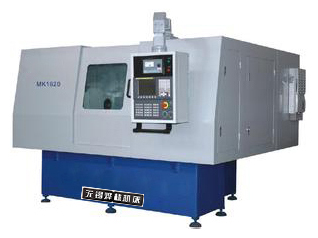
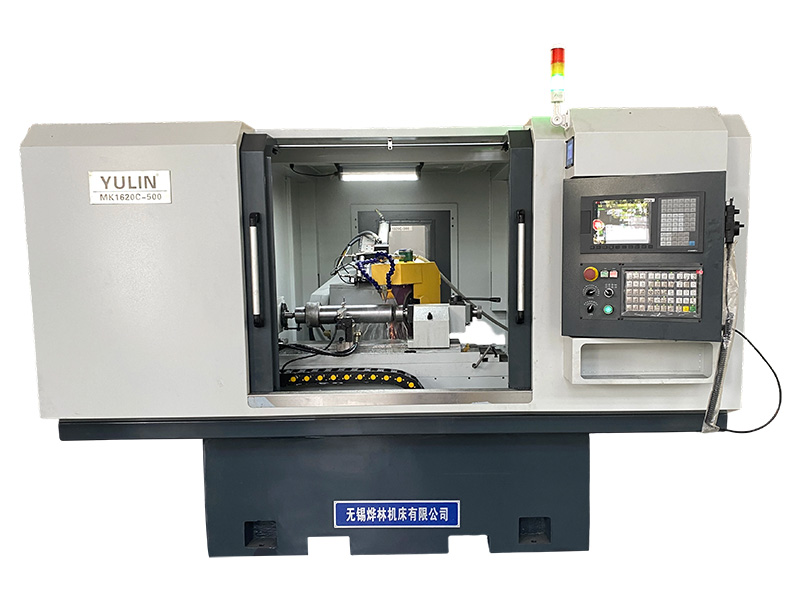
Lapping Machines: Ultra-Precision for Surface Finishing
Release time:2026-06-08 Visits:522
1. Introduction
Lapping machines achieve ultra-precision surface finishing through abrasive lapping, differing from grinders by using loose abrasives for gentle material removal. They are essential for components requiring extreme precision (flatness ≤ 0.001 mm, Ra ≤ 0.02 μm), such as precision bearings, optical parts, and electronic components.
2. Structure and Working Principle
2.1 Core Components
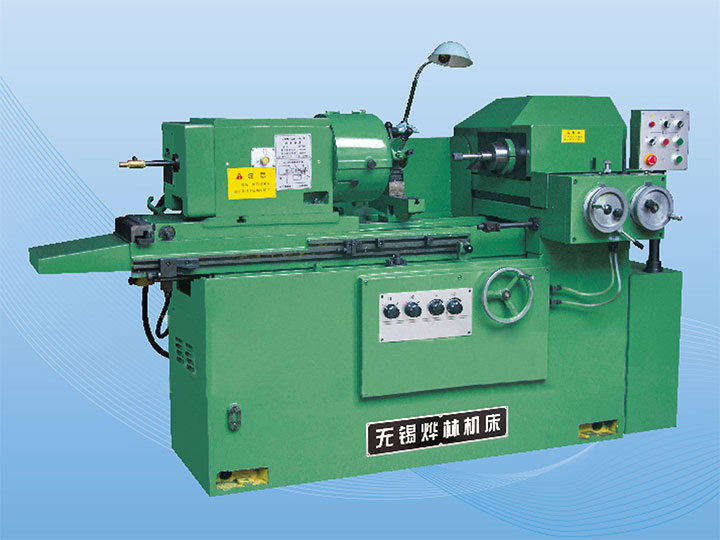
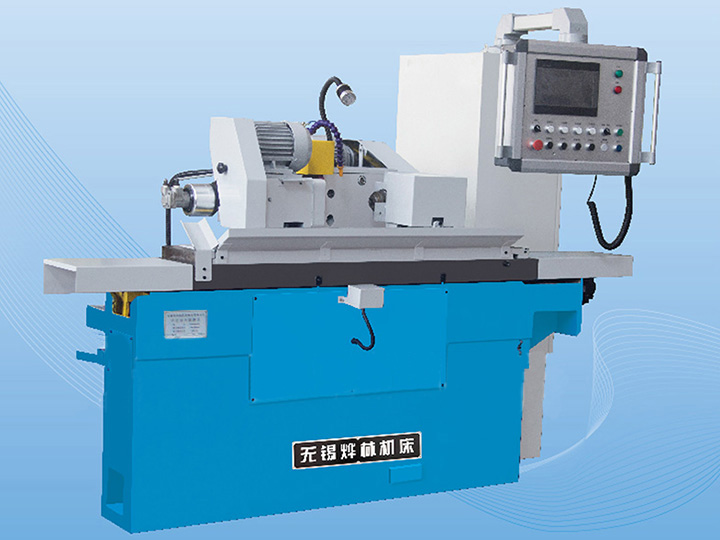
- Machine Base: High-rigidity structure with vibration damping, ensuring stable operation.
- Lapping Plate: Precision flat plate (cast iron/copper) for abrasive holding and material removal.
- Workpiece Fixture: Soft clamping to avoid deformation, suitable for fragile precision parts.
- Abrasive System: Loose abrasives (diamond/CBN) mixed with lapping fluid for uniform grinding.
- Drive & Control: Stepless speed regulation and CNC control for automated, consistent processing.
2.2 Working Principle
The lapping plate rotates at a constant speed, while the workpiece is pressed gently on it. Abrasives between the plate and workpiece generate micro-cutting, achieving ultra-smooth surfaces. The process is gentle, avoiding thermal deformation and ensuring high precision.
3. Classification and Key Characteristics
3.1 Classification
- By Structure: Horizontal (mainstream) and vertical lapping machines.
- By Control: Manual, semi-automatic, and full-CNC (for high-precision mass production).
- By Function: Single-sided (flat surfaces) and double-sided (symmetric parts like bearings).
3.2 Core Characteristics
- Ultra-High Precision: Flatness ≤ 0.001 mm, Ra ≤ 0.02 μm, dimensional accuracy ±0.0005 mm.
- Gentle Processing: No thermal deformation, suitable for fragile and high-hardness parts.
- Uniform Removal: Consistent surface quality across the entire workpiece.
4. Key Parameters and Selection
4.1 Core Parameters
Core parameters include processing capacity (max workpiece size: φ50–φ800 mm, max weight: 10–200 kg), lapping precision (flatness ≤ 0.001 mm, Ra ≤ 0.02 μm, dimensional accuracy ±0.0005 mm), and lapping plate specifications (speed: 50–500 rpm, material: cast iron/copper).
4.2 Selection Principles
Choose structure by workpiece type, control mode by production scale, and abrasive type by workpiece material hardness.
5. Industrial Applications
Widely used in electronics (semiconductor wafers), aerospace (precision components), precision machinery (bearings, gears), optical industry (lenses), and medical equipment (surgical instruments).
6. Operation and Troubleshooting
6.1 Operation Tips
- Control abrasive particle size and lapping fluid concentration for consistent results.
- Use soft clamping to avoid workpiece deformation; maintain lapping plate flatness.
- Regularly clean the lapping plate and replace abrasives to ensure precision.
6.2 Common Troubleshooting
Common faults and solutions: Poor flatness is usually caused by lapping plate deformation or uneven pressure, which can be resolved by calibrating the lapping plate and adjusting clamping pressure; surface scratches often result from impurities in abrasives or uneven lapping, and can be fixed by filtering abrasives and adjusting lapping speed.
7. Development Trends
Developing towards intelligence (AI-based parameter optimization), higher precision, automation (integrated production lines), and greenization (environmentally friendly abrasives).
8. Conclusion
As key ultra-precision finishing equipment,
lapping machines are indispensable for high-end manufacturing. Their unique gentle processing ensures ultra-smooth surfaces, supporting the development of precision industries.
 English